

Saying goodbye to someone who meant a great deal to you is among the most challenging moments a person can face. During a funeral or memorial service, many people are asked to share a few words about the person who has passed away. While this can feel overwhelming, it is also a special eulogy examples opportunity to celebrate a life, preserve memories, and provide comfort to others.
A well-written tribute is not about finding perfect words. It is about speaking from the heart. Whether you are honoring a parent, spouse, friend, grandparent, coworker, or mentor, the right message can help keep their memory alive.
In this guide, you’ll discover practical tips, structures, and heartfelt samples that can help you create a meaningful remembrance speech. You’ll also learn how to overcome writer’s block and deliver your message with confidence.
Understanding the Purpose of a Eulogy
Before looking at sample speeches, it helps to understand why these tributes matter so much.
A memorial speech serves several important purposes:
- Celebrates a person’s life
- Shares cherished memories
- Highlights accomplishments and character
- Offers comfort to grieving family and friends
- Preserves stories for future generations
Think of it as creating a portrait with words. Rather than using paint and a canvas, you create a vivid picture through cherished memories, meaningful stories, and heartfelt emotions.
The goal is not to list every achievement or summarize an entire lifetime. Rather, it is to capture the essence of the individual and share what made them unique.
Key Elements of a Meaningful Tribute
A Personal Introduction
Begin by introducing yourself and explaining your relationship with the deceased.
This helps listeners understand your perspective and creates an immediate connection.
Special Memories
Stories often make a speech memorable. A brief anecdote can reveal more about someone’s personality than a long list of accomplishments.
Character Traits
Discuss qualities that defined the person.
Examples include:
- Kindness
- Humor
- Generosity
- Determination
- Compassion
- Wisdom
Impact on Others
Explain how the individual influenced family, friends, coworkers, or the community.
A Thoughtful Closing
End with gratitude, a meaningful quote, a farewell message, or a reflection on their legacy.
Tips for Writing from the Heart
Many people worry that they are not skilled writers. The good news is that authenticity matters far more than literary talent.
Consider these tips:
Keep It Simple
Use natural language. Write as if you are speaking to a close friend.
Focus on Specific Memories
Specific details create emotional connections. Instead of saying someone was kind, describe a moment when their kindness made a difference.
Be Honest
You do not have to portray someone as perfect. Genuine reflections often feel more meaningful than idealized descriptions.
Balance Emotion and Celebration
While sadness is natural, try to include uplifting memories that celebrate the person’s life.
Practice Reading Aloud
This helps identify awkward phrases and improves confidence before speaking.
Example for a Parent

Losing a parent often feels like losing a guiding light. Here is an example of a heartfelt tribute.
Sample Speech
“Today, we gather to celebrate the life of my mother. To me, she was more than a parent. She was my teacher, my supporter, and my biggest fan.
She had a remarkable ability to make everyone feel welcome. Whether you were family, a neighbor, or someone she had just met, she treated you with warmth and kindness.
One of my favorite memories is watching her prepare holiday meals. The kitchen was always busy, filled with laughter, stories, and the wonderful smell of home-cooked food.
She taught us the importance of hard work, compassion, and gratitude. Her lessons continue to guide us every day.
Although we miss her deeply, we are grateful for the love she shared and the example she set. Her influence lives on in all of us.”
Example for a Father
A father often leaves behind lessons, guidance, and unforgettable memories.
Sample Speech
My father was the strongest man I ever knew—not because of his physical power, but because of the integrity, resilience, and kindness that defined his character.
He believed in showing up for the people he loved. Whether it was a school event, a family gathering, or a difficult moment, he was always there.
He taught me that success is measured not by what you own but by how you treat others.
His humor could brighten even the darkest day, and his advice always seemed to arrive at exactly the right moment.
Today, we honor his life and thank him for the countless ways he shaped ours.”
Example for a Grandparent
Grandparents often leave footprints on our hearts that remain long after they are gone.
Sample Speech
“My grandmother had a gift for making ordinary moments feel extraordinary.
A simple afternoon at her house became an adventure filled with stories, laughter, and homemade treats.
She carried decades of wisdom yet never stopped learning. She approached life with curiosity and optimism.
Nothing brought her more happiness than gathering with the family she loved so dearly. She taught us that relationships matter more than possessions and that kindness costs nothing but means everything.
We will miss her deeply, but we will carry her lessons with us forever.”
Example for a Friend

Speaking about a close friend can be emotional, but shared memories often provide comfort.
Sample Speech
“When I think of my friend, the first thing that comes to mind is laughter.
He had a way of turning ordinary days into unforgettable memories. No matter what challenges life presented, he faced them with optimism and determination.
He was the kind of person who would answer a phone call at any hour and offer support without hesitation.
His friendship was a gift, and I know many people here feel the same way.
Although his journey ended far too soon, the mark he left on our hearts will endure forever.
Example for a Spouse or Partner
Losing a life partner can be one of the deepest forms of grief.
Sample Speech
“My husband was my best friend, my confidant, and the love of my life.
Together, we built a life filled with adventures, challenges, and countless beautiful memories.
He had a remarkable ability to make me smile even during difficult times. His kindness, patience, and sense of humor were constant sources of strength.
Every day with him was a blessing, and every memory is a treasure.
While my heart aches with his absence, I am forever grateful for the years we shared and the love he gave so freely.”
Example for a Coworker or Professional Mentor
Work relationships can become meaningful and lasting.
Sample Speech
“Many people knew him as a talented professional, but those of us who worked closely with him knew something even more important.
He was a mentor who genuinely cared about others.
He shared knowledge generously and celebrated the success of those around him.
His leadership was rooted in respect, integrity, and encouragement.
The workplace will not be the same without him, but the lessons he taught us will continue to inspire us every day.”
Religious and Spiritual Approaches
Many families choose to include faith-based elements.
You might incorporate:
- Scripture passages
- Religious teachings
- Prayers
- Expressions of hope
- References to eternal life
For example:
We find peace in knowing that her faith was a steady light, guiding her through every chapter of her life. She trusted in God’s plan and approached life with unwavering hope and grace.”
Religious messages can bring peace and reassurance during difficult times, particularly for families who share similar beliefs.
Common Mistakes to Avoid
Even the most heartfelt speech can become difficult if certain mistakes are made.
Trying to Cover Everything
A lifetime cannot be summarized in a few minutes. Focus on meaningful highlights rather than every detail.
Making It Too Formal
Natural language usually feels more sincere than overly elaborate wording.
Sharing Embarrassing Stories
Humor can be wonderful, but avoid stories that may make family members uncomfortable.
Reading Too Fast
Nerves often cause people to rush. Pause occasionally and allow emotions to settle.
Striving for Perfection
Perfection is not the goal. Authenticity is.
How to Deliver Your Speech with Confidence
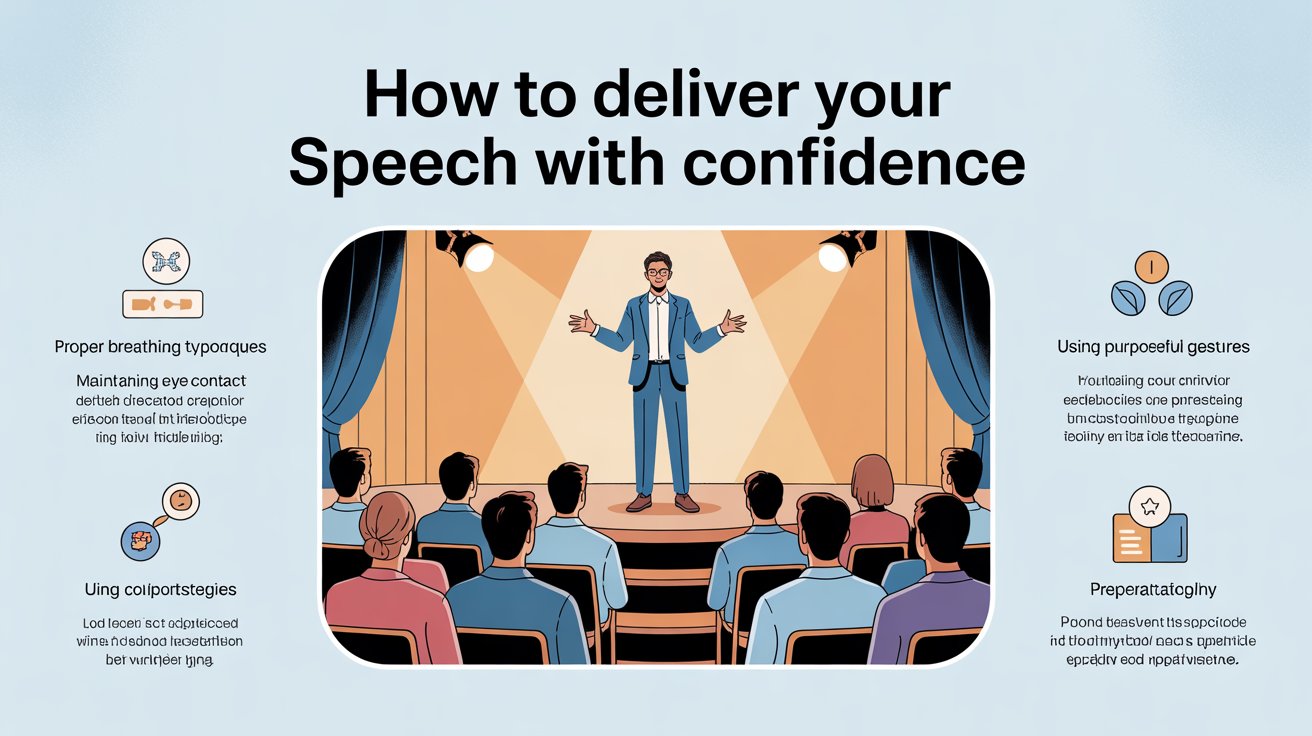
Writing the message is only part of the process. Delivery matters too.
Practice Several Times
Familiarity helps reduce anxiety.
Bring Printed Notes
Even experienced speakers benefit from having a written copy.
Speak Slowly
A measured pace allows listeners to absorb your words.
Pause When Needed
It is perfectly acceptable to take a moment if emotions become overwhelming.
Remember the Purpose
You are not giving a performance. You are sharing memories and honoring someone important.
Most listeners appreciate sincerity far more than flawless public speaking.
Creating a Lasting Tribute
A memorial speech often becomes one of the most meaningful parts of a service. Long after flowers fade and ceremonies end, people remember the stories that were shared.
The best tributes capture the heart of a person rather than simply describing facts about their life.
Ask yourself:
- What made them unique?
- What lessons did they teach?
- What memories bring a smile?
- How did they make others feel?
The answers to these questions often provide the foundation for a powerful and memorable message.
FAQs
1. How long should a memorial speech be?
Most speeches last between three and ten minutes. Aim for enough time to share meaningful memories without becoming overly lengthy.
2. What are the essential elements of a meaningful tribute?
Include your relationship with the person, memorable stories, defining qualities, significant achievements, and reflections on their impact.
3. Is it okay to use humor in a remembrance speech?
Yes. Appropriate humor can celebrate a person’s personality and create comforting moments, provided it remains respectful.
4. What if I become emotional while speaking?
This is completely normal. Pause, take a moment, and continue when you feel ready. Most people recognize sincere emotion and value the authenticity it brings to your words.
5. Can multiple people share memories during the service?
Absolutely. Many families choose to have several speakers contribute stories and reflections to provide a fuller picture of the person’s life.
Conclusion
Writing a tribute after losing someone can feel intimidating, especially during a time of grief. However, meaningful words do not need to be perfect or poetic. The most memorable messages come from genuine memories, heartfelt stories, and honest reflections.
Whether you are honoring a parent, spouse, friend, grandparent, mentor, or another loved one, focus on the qualities that made them special and the impact they had on those around them. A thoughtful remembrance speech becomes more than a farewell—it becomes a celebration of a life that continues to influence others through memories, values, and love.
By speaking from the heart, you create a lasting gift for everyone gathered to remember and honor the person who meant so much.

