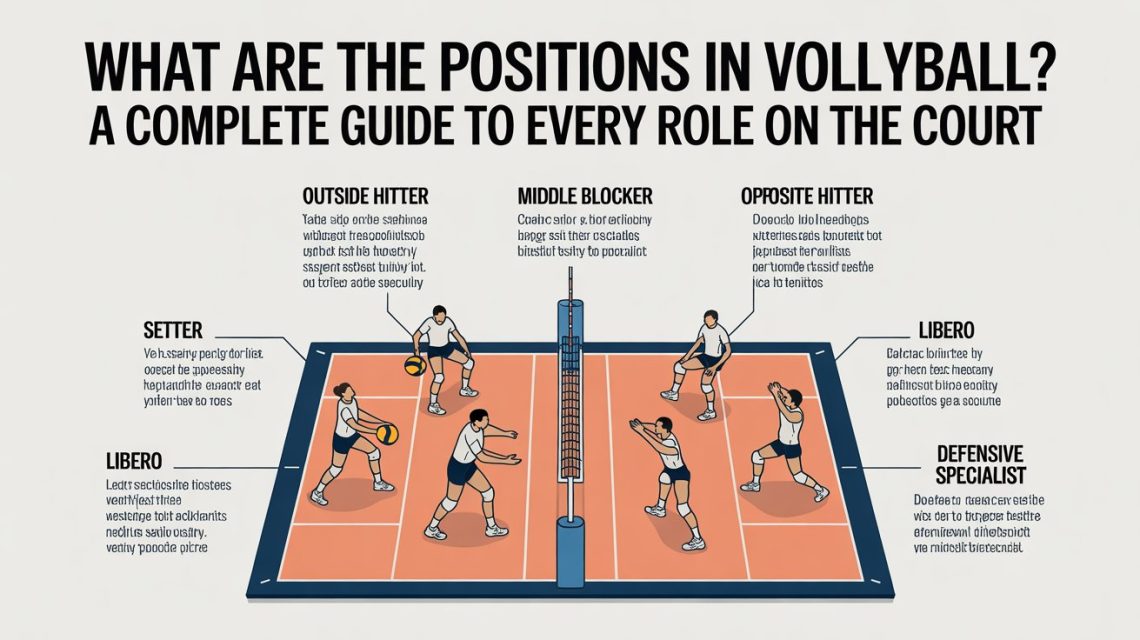
Volleyball is one of the most exciting team sports in the world. Fast rallies, powerful spikes, dramatic saves, and incredible teamwork make every match entertaining to watch. But if you are new to the game, you may find yourself wondering: who does what on the court?
Unlike many sports where players stay in fixed locations, volleyball requires constant movement and rotation. Every player has a specific responsibility, and each role contributes to the team’s success. Think of a volleyball team like an orchestra. Every musician plays a different instrument, but together they create a beautiful performance. In the same way, each athlete on the court performs a unique task that helps the team score points and prevent the opponent from doing the same.
Understanding the different roles not only makes watching the sport more enjoyable but also helps beginners learn where they might fit best when playing. Whether you are a curious fan, a student learning the game, or someone considering joining a team, this guide will walk you through every major role in detail.
Understanding Court Structure and Player Rotation
Before exploring each role in detail, it helps to first understand how players are positioned and move around the court during a match.
- Front row
- Back row
Three athletes occupy each row. During a match, players rotate clockwise whenever their team wins the serve from the opponent.
This rotation system means everyone moves around the court. However, players still perform their specialized duties regardless of where they rotate. Teams often use substitutions and tactical movements to ensure each athlete can maximize their strengths.
The Setter: The Team’s Playmaker
Why This Role Is So Important
The setter is often considered the most influential player on the court. If volleyball were compared to soccer, the setter would be similar to a midfielder controlling the flow of the game.
After receiving the first pass, the setter delivers the second contact and decides which attacker will receive the ball.
Main Responsibilities
A setter must:
- Deliver accurate sets
- Read the opposing defense
- Make quick decisions
- Direct offensive plays
- Communicate constantly with teammates
Skills Required
Successful setters need:
- Excellent hand control
- Quick reflexes
- Strong leadership abilities
- Strategic thinking
- Consistent accuracy
A great setter can turn an average attack into a scoring opportunity simply through perfect ball placement.
Outside Hitter: The Reliable Scorer
The Most Versatile Position
The outside hitter is often the team’s primary offensive weapon. These athletes attack from the left side of the court and are usually involved in nearly every phase of play.
Key Duties
Outside hitters are responsible for:
- Spiking the ball
- Receiving serves
- Blocking opponents
- Playing defense
- Supporting teammates during rallies
Why Coaches Value Them
Because they participate in both offense and defense, outside hitters must be well-rounded players. They often receive the most sets during difficult situations because coaches trust them to make smart decisions.
Many of the sport’s biggest stars have played this role because it offers opportunities to showcase a complete skill set.
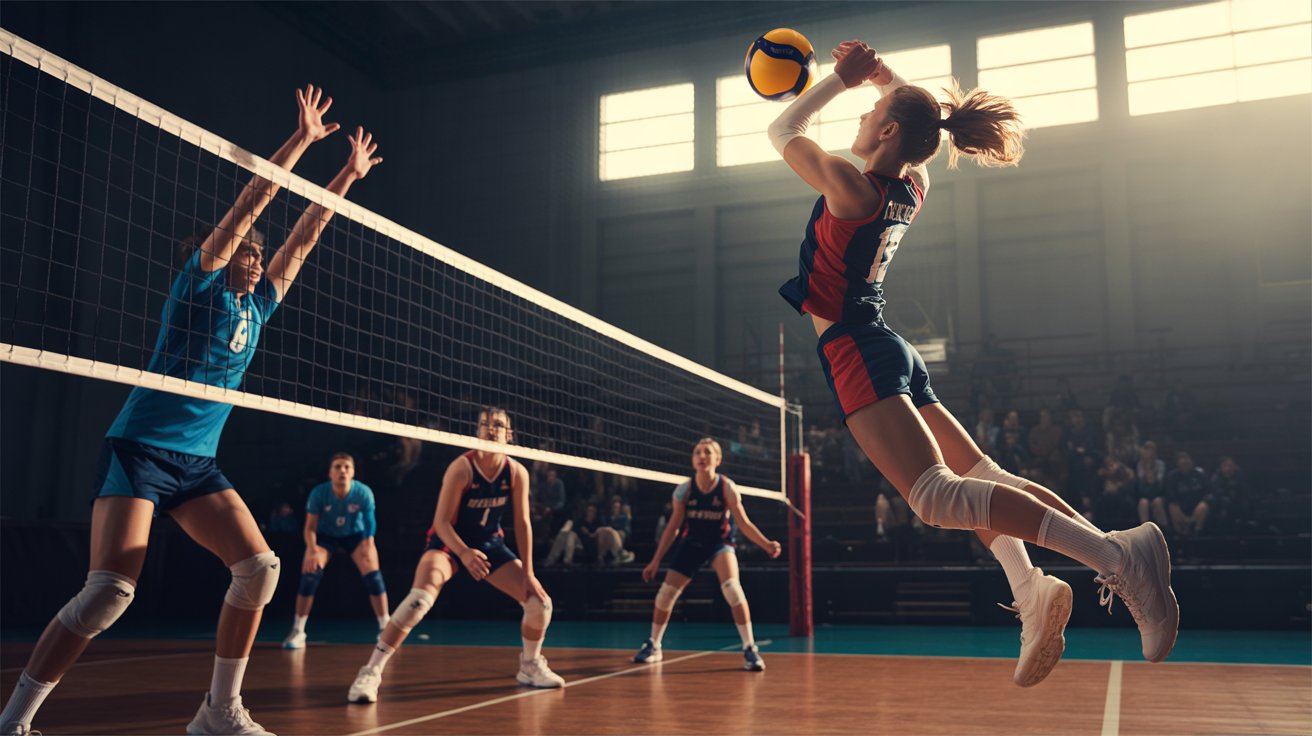
Opposite Hitter: The Right-Side Attacker
A Powerful Offensive Presence
Positioned opposite the setter, the opposite hitter attacks from the right side of the court.
This role often serves as a secondary scoring option while also helping with blocking responsibilities.
Primary Functions
An opposite hitter typically:
- Attacks from the right side
- Blocks opposing outside hitters
- Provides offensive balance
- Supports defensive efforts
Unique Advantages
Because many players are right-handed, attacking from the right side creates different angles that can challenge defenders.
Opposite hitters are often among the tallest and strongest athletes on a team, making them valuable both at the net and during crucial points.
Middle Blocker: The Defensive Wall
The Court’s Guardian
The middle blocker stands near the center of the net and plays a crucial role in stopping attacks.
Imagine a castle wall protecting a kingdom. The middle blocker serves a similar purpose, creating a barrier that opponents must overcome.
Core Responsibilities
These players focus on:
- Blocking attacks
- Reading opposing hitters
- Closing gaps along the net
- Running quick offensive plays
Physical Requirements
Middle blockers usually possess:
- Exceptional height
- Quick jumping ability
- Fast lateral movement
- Strong timing
Even though their primary responsibility is defense, they also contribute offensively through quick attacks near the setter.
Libero: The Defensive Specialist
One of Volleyball’s Most Unique Roles
The libero is easy to recognize because they wear a different-colored jersey than the rest of the team.
What Makes the Libero Different?
The libero:
- Cannot attack above net height
- Cannot block
- Cannot serve in some leagues
- Specializes in passing and defense
Main Responsibilities
The libero focuses on:
- Digging hard-driven attacks
- Receiving serves
- Improving ball control
- Organizing defensive coverage
Why the Position Matters
A skilled libero can dramatically improve a team’s consistency. Their ability to keep difficult balls in play often creates opportunities for teammates to score.
Defensive Specialist: The Unsung Hero
Similar but Different
Many people confuse the defensive specialist with the libero. While both focus on defense, there are important differences.
Unlike the libero, a defensive specialist wears the standard uniform and follows normal substitution rules.
Responsibilities
Defensive specialists:
- Improve back-row defense
- Receive serves
- Replace weaker defenders
- Support ball control
Strategic Importance
Coaches often use defensive specialists during critical moments when improved passing or defensive stability is needed.
Though they may not receive much attention, their contributions can be game-changing.
Serving Specialists and Tactical Substitutions
A Role Focused on One Skill
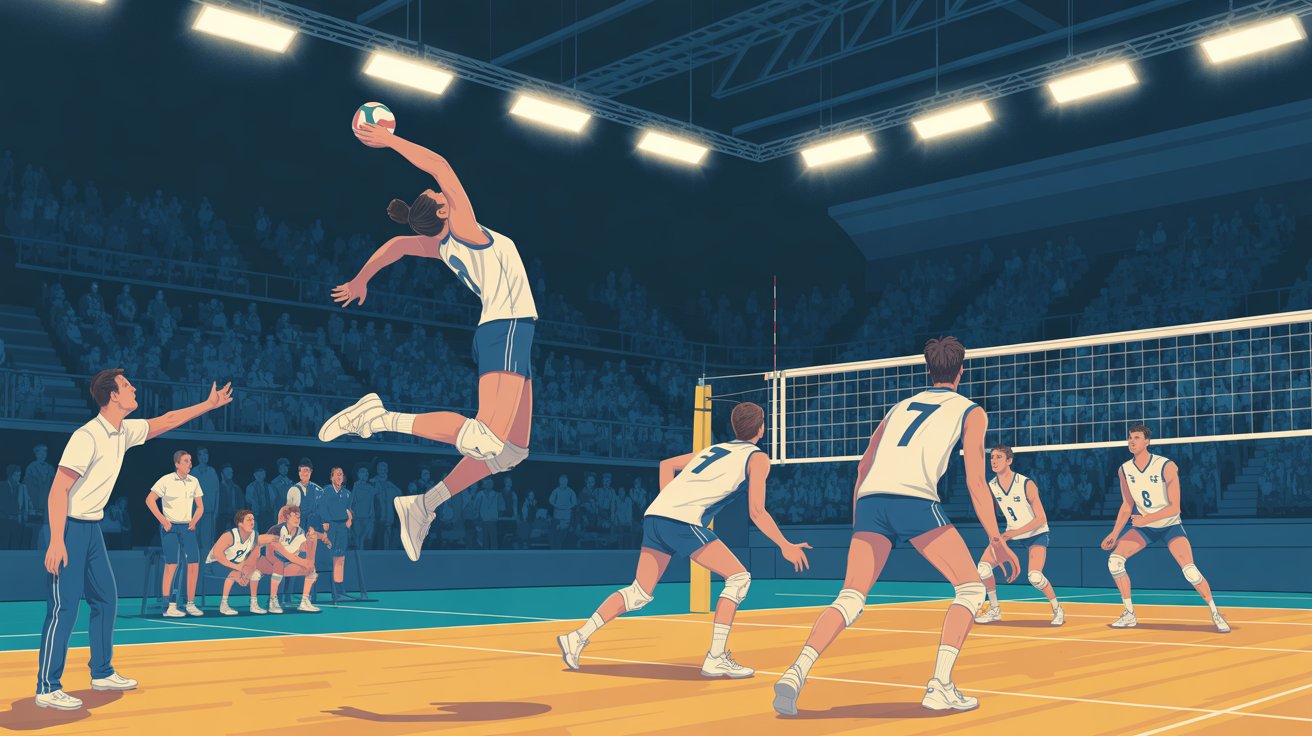
Some teams employ athletes specifically because of their serving ability.
A server with exceptional power or pinpoint precision can throw opponents off balance and make it difficult for them to build an effective attack.
Objectives
Serving specialists aim to:
- Score service aces
- Force poor passes
- Create defensive opportunities
- Shift momentum
Why Coaches Use Them
One well-placed serve can completely alter the outcome of a set. Because of this, coaches sometimes substitute players specifically to maximize serving effectiveness.
Front-Row Responsibilities
Life Near the Net
Players in the front row have responsibilities that differ from those in the back row.
Main Tasks
Front-row athletes focus on:
- Attacking
- Blocking
- Quick offensive plays
- Net coverage
Positions Commonly Found Here
The front row generally includes:
- Outside hitter
- Middle blocker
- Opposite hitter
These players contribute heavily to scoring and preventing attacks.
Back-Row Responsibilities
The Foundation of Defense
Back-row players often perform the less glamorous but equally important tasks.
Without strong back-row play, even the best attackers struggle to succeed.
Primary Duties
Back-row athletes handle:
- Serve reception
- Defensive digs
- Emergency saves
- Offensive support
Essential Skills
Success in the back row requires:
- Fast reactions
- Excellent positioning
- Consistent passing
- Strong communication
These players frequently initiate the offensive sequence by delivering accurate passes to the setter.
Communication and Team Chemistry

Why Talking Matters
Volleyball moves incredibly fast. Players have only fractions of a second to react during rallies.
Effective communication helps teammates avoid confusion and coordinate movement.
Common Verbal Signals
Players often call:
- “Mine”
- “Out”
- “Help”
- Attack instructions
Building Trust
Successful teams develop strong chemistry through practice and experience. Players learn each other’s tendencies, strengths, and preferences.
When communication is strong, the entire team operates more efficiently.
Choosing the Right Position
Finding Your Best Fit
Not every athlete is suited for every role. Physical attributes, personality, and skill sets often influence where someone excels.
If You Like Leadership
Consider becoming a setter.
If You Love Scoring
The outside hitter or opposite hitter roles may be ideal.
If Defense Excites You
The libero or defensive specialist positions could be perfect.
If You Enjoy Blocking
Middle blocker may be your calling.
The beauty of volleyball is that there is a role for nearly every type of athlete.
How Positions Work Together
Teamwork Creates Success
No single player can win a volleyball match alone.
A typical rally often follows this sequence:
- A defender receives the serve.
- The setter positions the ball.
- An attacker spikes it.
- Blockers prepare for a return.
- Defenders cover the court.
Each action depends on the previous one. If any link in the chain breaks, the rally becomes much harder to win.
This interconnected system is what makes volleyball such a fascinating and strategic sport.
FAQs
1. Which volleyball position is the most important?
Every role is important, but many coaches consider the setter the most influential because they control the offense and decide where attacks originate.
2. What position is best for beginners?
Outside hitter is often recommended for beginners because it allows players to develop skills in serving, passing, attacking, and defense.
3. Why does the libero wear a different jersey?
The libero wears a different color to help officials easily identify the player since the position follows unique rules and substitution procedures.
4. Can a libero spike the ball?
A libero cannot complete an attack hit if the ball is entirely above the top of the net when contact occurs.
5. Which volleyball position requires the most height?
Middle blocker is usually the tallest position because height helps with blocking opponents and attacking near the net.
Conclusion
Understanding volleyball positions helps reveal the complexity behind what may initially appear to be a simple game. Every athlete on the court performs a specialized role, from the setter directing attacks to the libero protecting the back row. Outside hitters deliver powerful offensive plays, middle blockers defend the net, opposite hitters provide scoring support, and defensive specialists strengthen ball control.
What makes volleyball truly special is how these roles blend together. Success does not depend on a single superstar but on six players working in harmony toward a common goal. Once you understand the responsibilities of each position, every rally becomes more meaningful, and the sport becomes even more exciting to watch and play.