
Ever glanced into the toilet and thought, “Wait… that color doesn’t look normal”? You’re not alone. Seeing bright, almost glowing yellow urine can feel a bit alarming at first. But before you jump to worst-case scenarios, take a breath—your body might just be sending you a simple message.
Think of your urine like a mood ring for your health. It changes color based on what’s happening inside you—what you drink, what you eat, and even what vitamins you take. Sometimes, that neon shade is harmless. Other times, it’s worth paying attention.
Let’s break it all down in a clear, no-nonsense way so you can understand what’s normal, what’s not, and when you should care.
Table of Contents
ToggleWhat Determines the Color of Urine?
Your urine gets its color from a pigment called urochrome. This pigment forms when your body breaks down hemoglobin—the stuff that carries oxygen in your blood.
The more diluted your urine is, the lighter it appears. The more concentrated it is, the darker it becomes. So, color isn’t random—it’s a reflection of what’s going on inside you.
Why Does Urine Turn Neon Yellow?
High Levels of Vitamins
One of the most common reasons for that bright yellow glow is vitamins—especially vitamin B.
Supplements containing B-complex vitamins, particularly riboflavin (vitamin B2), are known for causing that intense yellow shade. Your body only uses what it needs, and the rest gets flushed out.
So yes, that fluorescent look? It’s often just excess vitamins leaving your system.
Diet and Food Choices
What you eat can also play a role. Foods rich in certain pigments or artificial dyes can temporarily affect urine color.
However, compared to vitamins, food is usually a less dramatic cause of neon shades.
Dehydration: The Silent Contributor
When You’re Not Drinking Enough
If your body doesn’t get enough fluids, urine becomes more concentrated. This can deepen the color into a darker yellow—sometimes approaching that neon look.
It’s your body’s way of saying, “Hey, I need water.”
How to Tell If It’s Dehydration
- Strong smell
- Darker shade
- Less frequent urination
If this sounds familiar, grab a glass of water. Simple fix.
The Role of Supplements and Medications

Multivitamins and B-Complex Supplements
If you’ve recently started taking supplements, that bright color is likely linked to them. It’s especially common with:
- B-complex vitamins
- Energy supplements
- Fortified drinks
Prescription Medications
Some medications can also change urine color. While neon yellow is usually tied to vitamins, other drugs may cause different shades.
Always check the label or consult a doctor if you’re unsure.
Is Neon Yellow Urine Dangerous?
Most of the Time, No
Here’s the good news: in most cases, it’s harmless.
If the cause is vitamins or mild dehydration, your body is simply doing its job—filtering and eliminating excess substances.
When It Might Be a Concern
If the bright color comes with other symptoms, it could point to something more serious.
Watch out for:
- Pain while urinating
- Fever
- Cloudy appearance
- Strong odor
- Frequent urge to go
These could indicate conditions like Urinary Tract Infection or other issues.
How Hydration Affects Urine Color
The Ideal Shade
A pale straw or light yellow color is considered healthy.
Think of it like lemonade—light and clear, not overly concentrated.
Simple Hydration Tips
- Drink water regularly throughout the day
- Don’t wait until you’re thirsty
- Increase intake in hot weather or after exercise
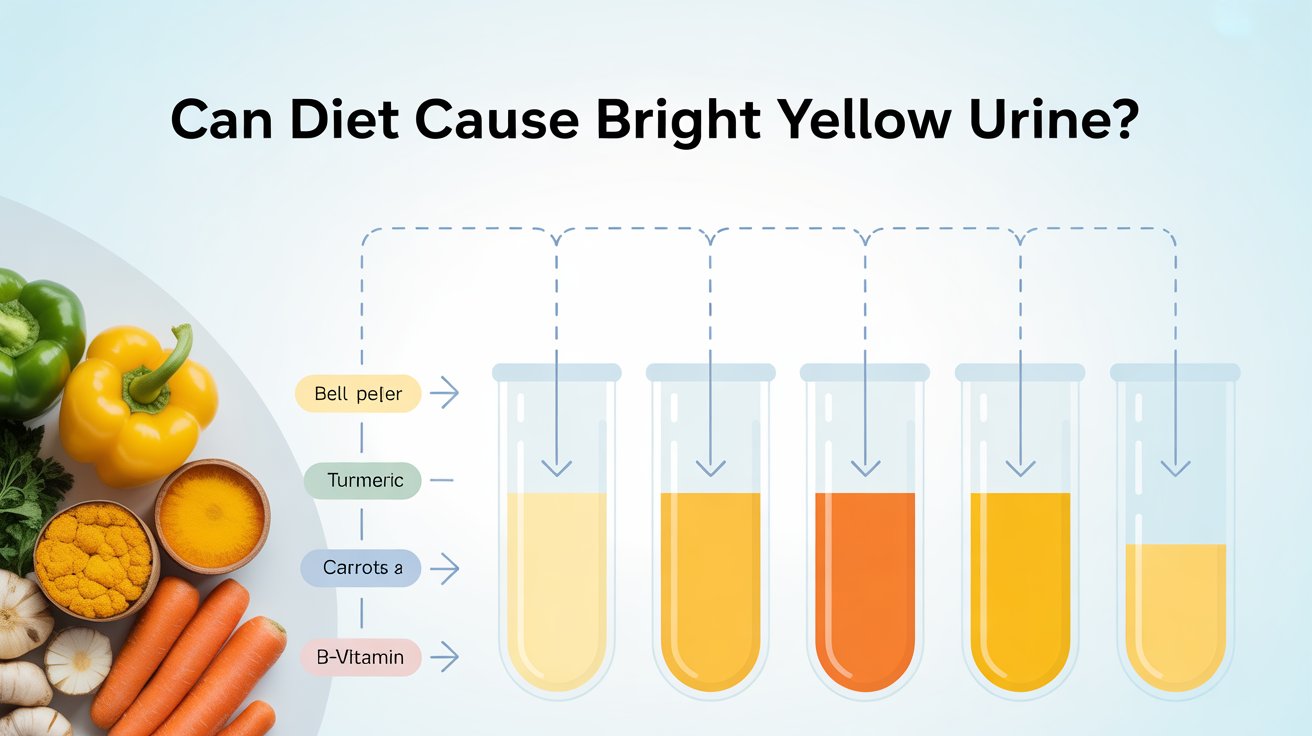
Can Diet Cause Bright Yellow Urine?
Foods That May Influence Color
Certain foods can slightly alter urine color, including:
- Carrots
- Sweet potatoes
- Foods with artificial coloring
However, these usually don’t create that intense neon effect.
Temporary Changes
If food is the cause, the color typically returns to normal within a day.
Medical Conditions Linked to Urine Color Changes
While neon yellow is rarely serious, it’s still good to be aware of possible conditions.
Urinary Tract Issues
An infection like Urinary Tract Infection may change urine’s appearance and smell.
Kidney-Related Problems
Conditions such as Kidney Disease can affect urine, though they usually cause darker or cloudy changes rather than bright yellow.
Liver Conditions
Issues like Hepatitis may lead to darker urine, often brownish rather than neon.
How to Normalize Urine Color
Stay Hydrated
It’s the simplest step you can take—and often the one that works the fastest.
Review Your Supplements
If you’re taking vitamins, especially B-complex, try adjusting the dosage (after consulting a healthcare professional).
Monitor Changes
Keep an eye on patterns. Does the color change after certain foods or pills? That’s your clue.
When Should You See a Doctor?

Don’t ignore persistent changes, especially if they come with other symptoms.
Seek medical advice if:
- The color doesn’t improve after hydration
- You feel pain or discomfort
- There’s blood in your urine
- You experience fever or fatigue
Better safe than guessing.
A Simple Way to Think About It
Imagine your body as a filter jug. Everything you drink and consume passes through it. When the filter is working properly, it sends out waste—sometimes in noticeable ways.
That bright yellow color? It’s like the jug saying, “I’ve got extra stuff to get rid of.”
Final Thoughts
Seeing neon yellow urine can be surprising, but it’s usually nothing to panic about. In most cases, it’s linked to vitamins or mild dehydration—both easy to manage.
Your body is constantly communicating with you, and urine color is just one of its signals. Pay attention, stay hydrated, and don’t ignore unusual symptoms.
A quick glance can tell you a lot—you just need to know what you’re looking at.
FAQs
1. Why is my urine bright yellow after taking vitamins?
Because your body flushes out excess vitamins, especially vitamin B2, which gives urine that vivid yellow color.
2. Is neon yellow urine a sign of dehydration?
It can be, but dehydration usually causes darker yellow rather than bright neon shades.
3. How can I make my urine color normal again?
Drink more water and review your supplement intake. The color should return to pale yellow.
4. Can certain foods cause bright yellow urine?
Some foods may slightly affect color, but they rarely cause the intense neon shade seen with vitamins.
5. When should I worry about urine color changes?
If the change is persistent or comes with pain, fever, or unusual symptoms, it’s best to consult a doctor.

