
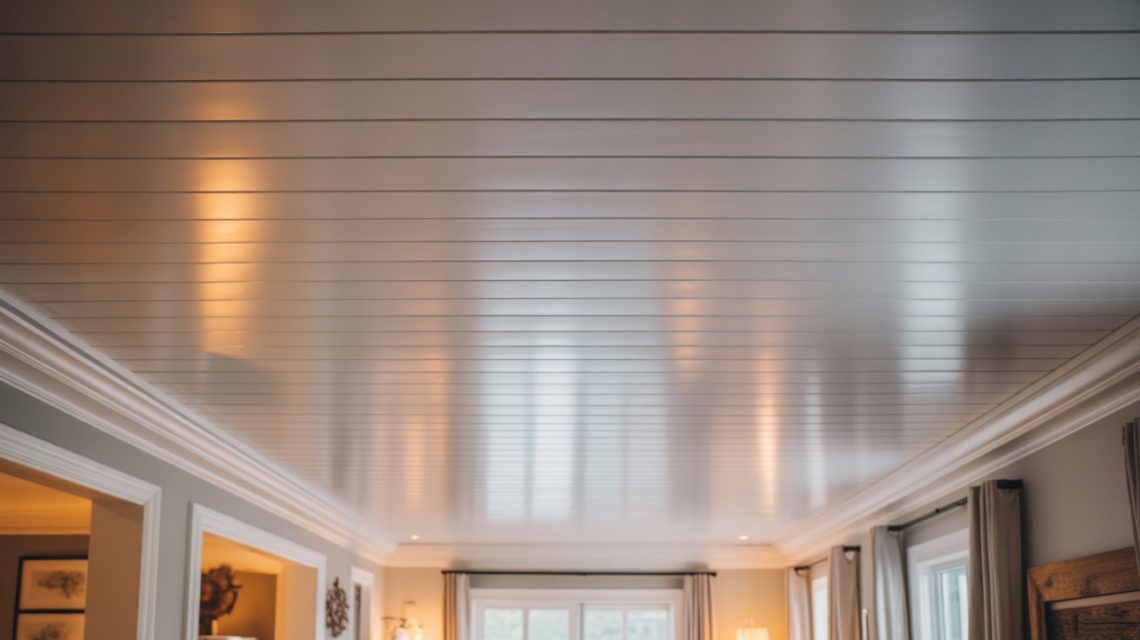
Have you ever walked into a room and felt instantly at ease, like the space was quietly telling a story? Sometimes, it’s not the furniture or décor that creates that feeling—it’s what’s above you. A well-designed ceiling can completely change how a room looks and feels, and one style that has been gaining attention for all the right reasons is the shiplap ceiling.
There’s something undeniably warm and inviting about it. Whether you’re renovating your home or just exploring fresh design ideas, this approach might be exactly what you didn’t know you needed.
Table of Contents
ToggleWhat Is a Shiplap Ceiling?
At its core, a shiplap ceiling is made from wooden boards that are installed horizontally (or sometimes vertically) with small gaps between them. These boards are designed to fit together snugly, creating a clean, layered look.
Originally, this style came from practical needs. It was used in ships and barns to keep water out. Over time, it moved into homes, bringing along its rustic charm.
Today, it’s more about aesthetics than function—but that old-world character still shines through.
Why Are Shiplap Ceilings So Popular?
You might be wondering, why all the hype? The answer is surprisingly simple.
A shiplap ceiling adds texture without overwhelming a space. It creates visual interest while still feeling calm and balanced. Think of it like adding a subtle pattern to a plain outfit—it elevates everything without being loud.
Another reason for its popularity is versatility. It works in modern homes, traditional settings, and even minimalist designs. Whether your style leans toward cozy farmhouse or sleek contemporary, this ceiling treatment adapts beautifully.
Types of Materials You Can Use
Wood Options
Natural wood is the most common choice. Pine, cedar, and plywood are popular because they’re easy to work with and offer a warm, authentic look.
Each type has its own personality. Pine feels light and casual, while cedar adds a richer tone and a hint of luxury.
MDF and Engineered Boards
If you’re working with a tighter budget, MDF (medium-density fiberboard) is a practical alternative. It offers a uniform surface that takes paint effortlessly, delivering a clean and polished finish every time.
PVC and Moisture-Resistant Materials
For areas like bathrooms or kitchens, moisture-resistant materials are a smart pick. They mimic the look of wood but handle humidity much better.
Different Styles and Design Choices

Classic Horizontal Layout
This is the most common style. Boards run across the ceiling, making the room feel wider and more open.
Vertical Installation
Want to make your ceiling feel taller? Installing boards vertically draws the eye upward, creating a sense of height.
Painted vs. Natural Finish
A crisp white finish gives a clean, airy feel. On the other hand, natural wood tones bring warmth and texture.
Distressed or Weathered Look
If you love that lived-in, cozy vibe, a distressed finish adds character and charm, almost like the ceiling has its own history.
Where Can You Use It?
Living Rooms
Adding this feature to your living room can instantly make it feel more inviting. It creates a focal point without competing with your furniture.
Bedrooms
Imagine lying in bed and looking up at a beautifully textured ceiling—it adds a sense of comfort and calm.
Kitchens
In kitchens, it pairs wonderfully with simple cabinets and open shelving.
Bathrooms
With the right materials, it can even elevate a bathroom, turning it into a spa-like retreat.
Benefits of Choosing This Ceiling Style
Adds Character
Plain ceilings can feel a bit forgotten. This design brings them to life, giving your space a unique personality.
Easy to Customize
You can give it a fresh coat of paint, enrich it with a stain, or simply let its natural texture shine through. The flexibility allows you to match any interior style.
Budget-Friendly Transformation
Compared to major renovations, installing shiplap is relatively affordable but delivers a big visual impact.
Conceals Imperfections
Got an uneven ceiling? This method can hide flaws and create a smoother appearance.
Potential Drawbacks to Consider
No design choice is perfect, and it’s worth looking at both sides.
Installation Time
While not overly complex, it does take time and precision to install properly.
Maintenance
Dust can settle in the grooves between boards, so occasional cleaning is necessary.
Style Commitment
Trends come and go. While this look is timeless to many, it may not suit every future design update.
How to Install a Shiplap Ceiling
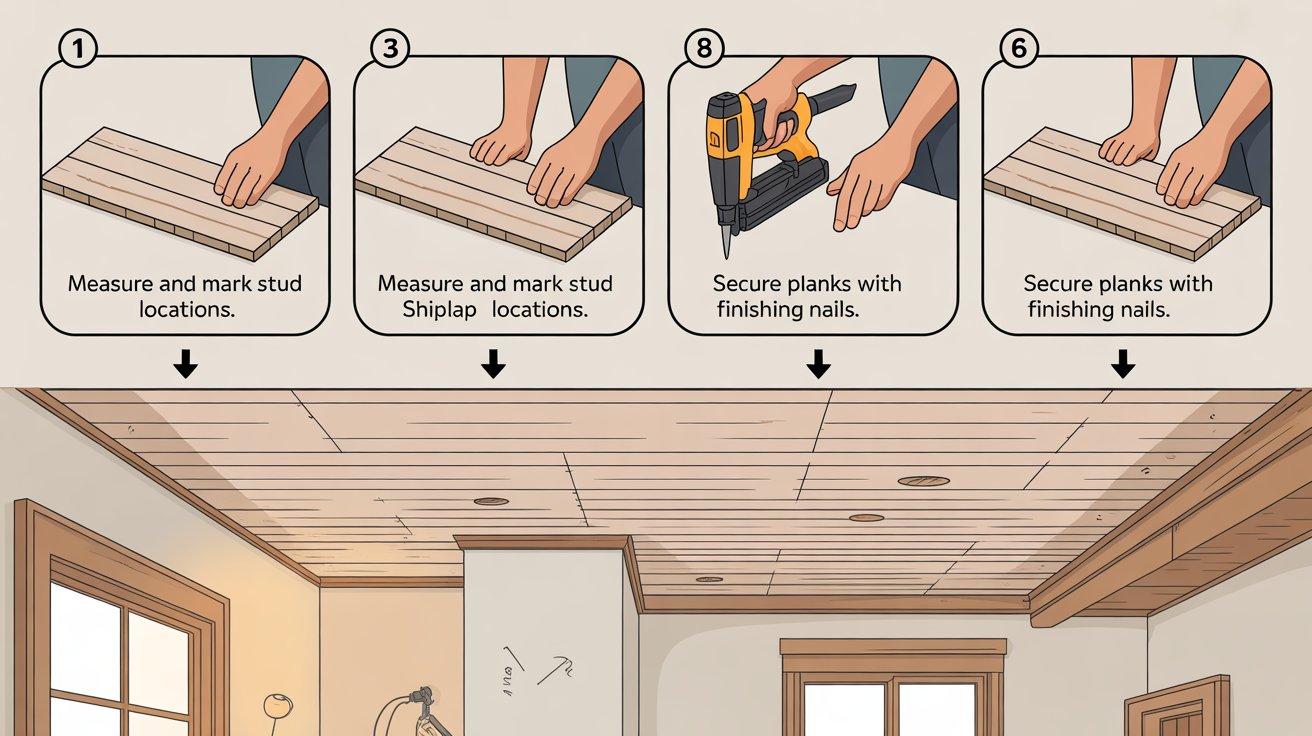
Preparation Is Key
Before you start, measure your ceiling carefully. Ensure the surface is spotless, smooth, and properly prepared before beginning the installation.
Cutting and Placing Boards
Boards are cut to size and attached to the ceiling using nails or adhesive. Spacing is maintained for that signature look.
Finishing Touches
Once installed, you can paint or stain the boards. This step brings the whole design together.
If you’re comfortable with DIY projects, you might enjoy the process. Otherwise, hiring a professional ensures a polished result.
Cost Breakdown and Budget Tips
Material Costs
Costs can differ based on the type of material you select. Natural wood tends to cost more than engineered options.
Labor Costs
If you hire professionals, labor will add to the total cost. However, it can save time and ensure quality.
Saving Money
You can reduce expenses by choosing budget-friendly materials or installing it yourself. Shopping during sales or using reclaimed wood can also help.
Maintenance and Care
Keeping your ceiling looking fresh doesn’t require much effort.
Regular Cleaning
A simple dusting or light vacuuming can keep grooves clean.
Touch-Ups
If painted, occasional touch-ups may be needed to maintain a crisp look.
Moisture Control
In humid areas, proper ventilation helps prevent damage over time.
Styling Tips to Enhance the Look
Lighting Matters
Pendant lights or recessed lighting can highlight the texture and depth of the ceiling.
Pairing with Walls
Neutral walls allow the ceiling to stand out, while bold walls create contrast.
Furniture Coordination
Simple, clean furniture complements the ceiling without overwhelming the space.
Is a Shiplap Ceiling Right for You?
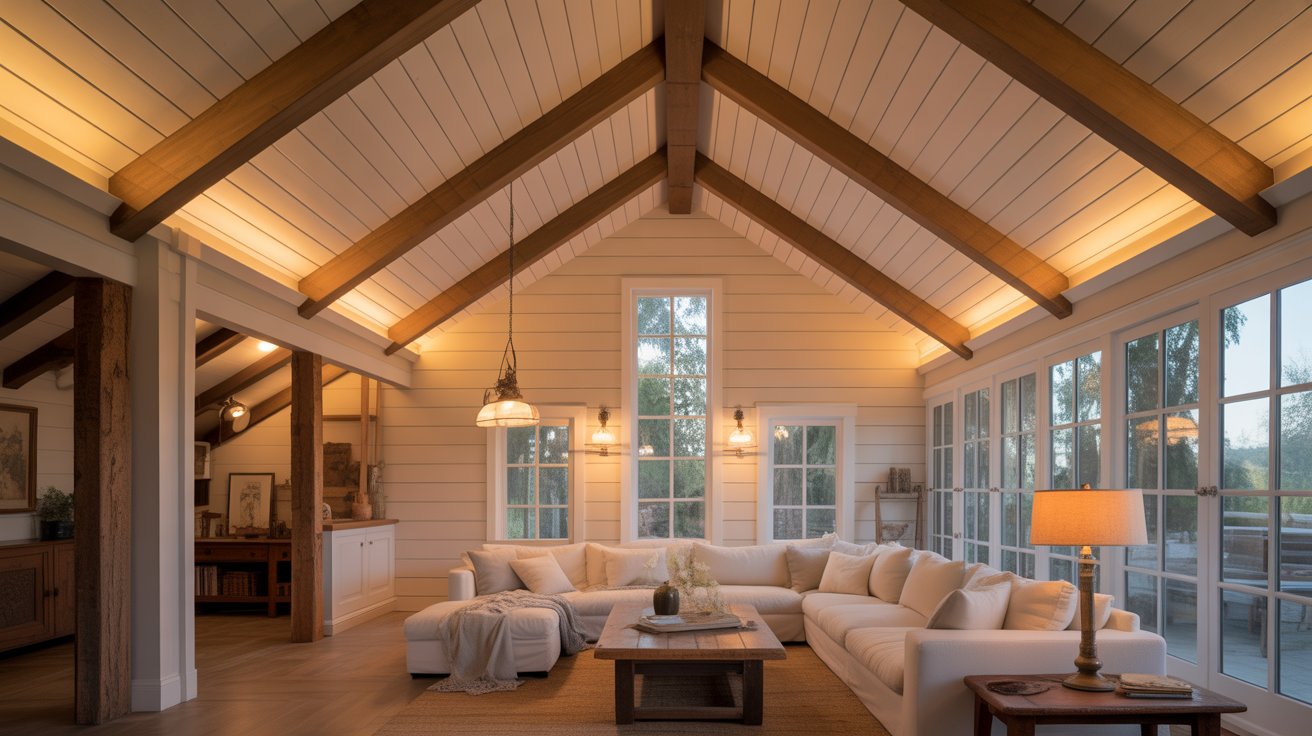
This ultimately comes down to your personal taste and lifestyle.
If you enjoy spaces that feel warm, textured, and slightly rustic, this design might be a perfect fit. It’s like adding a quiet storyteller to your home—something that doesn’t shout for attention but still makes a lasting impression.
On the other hand, if you prefer ultra-sleek, minimal surfaces, you might want to explore other options.
FAQs
1. What is the main purpose of a shiplap ceiling?
It enhances the visual appeal of a room by adding texture and depth while also covering imperfections.
2. Can I install a shiplap ceiling myself?
Yes, many homeowners choose DIY installation, but it requires careful measurement and patience for the best results.
3. Is a shiplap ceiling suitable for bathrooms?
Yes, as long as you use moisture-resistant materials and ensure proper ventilation.
4. Does a shiplap ceiling make a room look smaller?
Not necessarily. In fact, depending on the direction of installation, it can make a room feel wider or taller.
5. How do I clean and maintain it?
Regular dusting and occasional touch-ups are usually enough to keep it looking fresh and well-maintained.
Conclusion
A shiplap ceiling is more than just a design trend—it’s a way to bring character, warmth, and depth into your home. From its humble beginnings in practical construction to its modern role in interior design, it has evolved into a versatile and appealing feature.
Whether you’re updating a single room or rethinking your entire home, this ceiling style offers a simple yet powerful transformation. It proves that sometimes, the most impactful changes are the ones you don’t immediately expect—like looking up and seeing something beautiful.

