When you think about your outdoor deck, you probably imagine sunny afternoons, cozy chairs, and a great place to relax with family and friends. But have you ever looked down and noticed the empty space underneath? That gap often becomes a hiding spot for critters, clutter, or just an eyesore. That’s where deck skirting comes in—it’s like giving your deck a polished pair of shoes that complete the whole outfit.
In this guide, we’ll dive deep into everything you need to know: from why skirting matters to the different styles, materials, DIY tips, and creative ideas. By the end, you’ll not only understand it fully but might even be inspired to take on the project yourself.
Why Does Deck Skirting Matter?
Think of your deck as a stage. Without a curtain, the audience sees all the props, wires, and backstage mess. Skirting acts as that curtain—it hides the underbelly of your deck while adding beauty and purpose. Beyond looks, it prevents animals from nesting under your deck, helps with storage, and can even improve airflow.
The Benefits of Adding Skirting
Curb appeal – It instantly makes your deck look finished and intentional.
Protection – Keeps out unwanted visitors like raccoons, skunks, or stray cats.
Storage – Offers a way to enclose the space and use it for stashing garden tools or seasonal items.
Safety – Eliminates tripping hazards by closing off uneven ground.
Value – Enhances the overall resale appeal of your home.
Popular Materials for Skirting

When choosing skirting, the material is everything. It shapes the style, durability, and cost. Here are the most common options:
Wood
Classic, warm, and natural. Lattice panels, slatted boards, or solid planks can all work. The downside? Regular maintenance is needed to protect against rot and insects.
Vinyl
Low-maintenance and long-lasting. Vinyl is great for a clean look and resists moisture, making it ideal in wet climates.
Composite
A hybrid of wood fibers and plastic. Composite skirting is durable like vinyl but offers the rich appearance of wood without heavy upkeep.
Brick or Stone
For a timeless, sturdy look. Masonry adds charm and permanence, though it’s more expensive and labor-intensive.
Metal
Aluminum or steel skirting provides a modern vibe. It’s also incredibly durable and resistant to pests, though not as warm-looking as natural materials.
Styles That Suit Every Taste
Deck skirting isn’t one-size-fits-all. From rustic to sleek, the style you choose defines the character of your outdoor area.
Lattice Panels
The most popular choice—crisscross patterns let air flow while covering the space. Available in wood, vinyl, or composite.
Vertical or Horizontal Boards
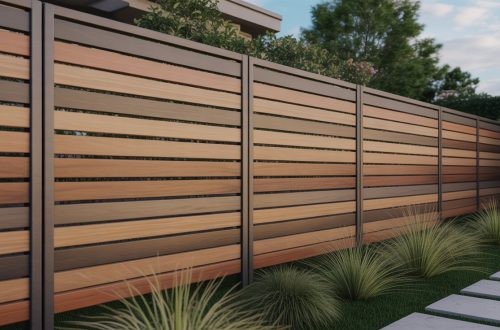
Clean lines for a contemporary feel. You can customize them with paint or stain so they blend seamlessly with your deck or complement your home’s exterior.
Solid Panels
Perfect for a seamless look. Great for storage areas since they completely hide what’s underneath.
Decorative Panels
Panels with cut-out designs or geometric shapes add personality and flair to your deck.
Living Skirts
Plants or shrubs can double as natural skirting, creating a soft, eco-friendly barrier.
DIY vs. Professional Installation

Should you roll up your sleeves for a DIY job or leave it in the hands of a professional? Let’s weigh the options.
DIY Approach
-
Cost-effective if you’re handy.
-
Gives you creative control.
-
Can be a fun weekend project.
Professional Installation
-
Ensures durability and precision.
-
Saves time and hassle.
-
Ideal if you’re using heavy materials like stone.
Things to Consider Before Installing
Before you start, ask yourself a few key questions:
-
What’s the purpose? Purely aesthetic, storage, or pest control?
-
What’s your budget? Material costs can range from budget-friendly vinyl to pricey stonework.
-
Climate considerations? Moisture, snow, or intense sun can affect durability.
-
Accessibility needs? If you plan to store items, include a door or hinged panel for easy access.
Budget-Friendly Deck Skirting Ideas
Not ready to splurge? You’ll find no shortage of clever and budget-friendly ways to get the job done:
-
Use recycled pallets for a rustic look.
-
Paint plywood panels for a custom design.
-
Mix lattice with climbing plants for charm on a dime.
-
Repurpose corrugated metal sheets for an industrial vibe.
Creative Ways to Customize
Want your skirting to stand out? Try these twists:
-
Color matching – Blend with your deck or house trim for harmony.
-
Contrasting tones – Create visual drama with bold contrasts.
-
Built-in planters – Add greenery directly into the skirting design.
-
Lighting accents – Place LED strips or solar lights along panels for evening ambiance.
Maintenance Tips for Long-Lasting Results

Like anything outdoors, skirting needs care.
-
Clean panels regularly with a hose or brush.
-
Re-stain or seal wood every few years.
-
Inspect for pests or rot in wood options.
-
Check fasteners to ensure panels stay secure.
-
Trim back plants if using greenery as skirting.
Common Mistakes to Avoid
Even simple projects can go wrong. Steer clear of these pitfalls:
-
-
Choosing cheap materials that warp quickly.
-
Blocking access to pipes or wiring under the deck.
-
Deck Skirting and Home Value
While skirting might seem small, buyers notice details. A well-finished deck can increase your home’s overall appeal. Think of it as adding the final touch of polish before putting your home on display.
Final Thoughts
Deck skirting isn’t just a finishing touch—it’s a blend of beauty, function, and practicality. Whether you want a clean, modern look with vinyl panels, the natural charm of wood, or a creative twist with plants and lighting, the options are endless. By choosing the right materials and design, you can turn that forgotten under-deck space into a feature that elevates your whole outdoor living experience.
FAQs
1. Can deck skirting be added to an existing deck?
Yes, absolutely. Most skirting options can be retrofitted to an existing structure with some adjustments.
2. How tall should deck skirting be?
It should cover the gap from the ground to the bottom of the deck, usually anywhere from 6 inches to several feet, depending on deck height.
3. Does skirting require ventilation?
Yes. Proper airflow prevents moisture buildup, which can lead to mold, rot, or warping.
4. What’s the cheapest skirting option?
Lattice panels or DIY pallet boards are often the most budget-friendly.
5. Can skirting help with insulation?
While it won’t insulate like a wall, it can reduce wind flow under your deck, making the area slightly warmer and protecting pipes.