
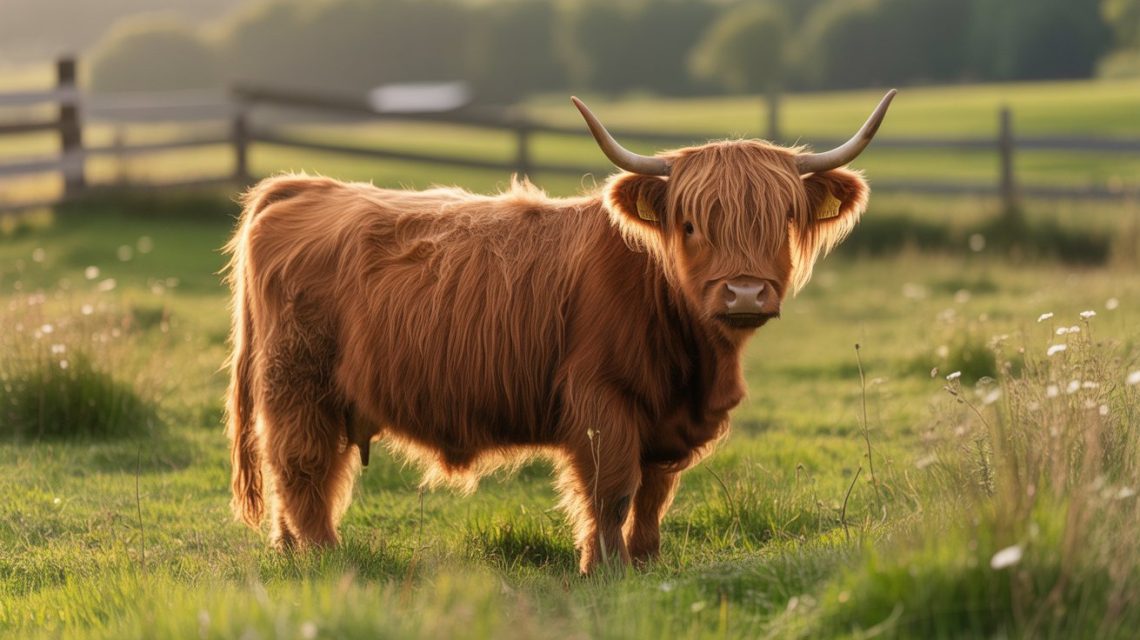
There’s something undeniably charming about a small, fluffy cow with long bangs covering its eyes and a calm, curious personality. If you’ve ever scrolled through social media and paused at a picture of a shaggy little bovine that looks more like a living teddy bear than livestock, you already know the appeal. But what exactly makes these compact cattle so fascinating—and are they really as easy to care for as they seem?
In this guide, we’ll explore everything you need to know, from their origins and temperament to daily care, costs, and whether they’re a good fit for your lifestyle.
Table of Contents
ToggleWhat Is a Mini Highland Cow?
A mini Highland cow is essentially a smaller version of the traditional Scottish Highland breed. These cattle are selectively bred to maintain their iconic long horns and thick, shaggy coats while being more compact in size.
Unlike standard cattle that can grow quite large, these scaled-down versions are intentionally bred for easier handling and smaller spaces. They retain the same rugged charm but come in a more manageable package—think of them as the “cottage-sized” version of a countryside classic.
Origins and Heritage
A Scottish Legacy
The original Highland cattle come from the rugged landscapes of Scotland. Their long coats and hardy nature developed as a natural response to cold, wet climates.
How the Smaller Version Came to Be
Through selective breeding over generations, farmers began producing smaller animals without losing the breed’s distinctive features. The goal wasn’t just size—it was also temperament, adaptability, and visual appeal.
Physical Features That Make Them Unique
The Signature Shaggy Coat
One of the most noticeable traits is their double-layered coat. It acts like a built-in winter jacket, keeping them warm even in harsh weather.
Distinctive Horns
In this breed, both bulls and cows usually develop gracefully arched horns that add to their striking, rustic appearance. These aren’t just for show—they help them forage and defend themselves.
Compact Size
While standard Highland cattle can be quite large, mini versions are significantly smaller, making them more suitable for hobby farms or larger backyards.
Personality and Temperament
Gentle and Friendly Nature
These animals are known for being calm and approachable. With proper handling, they can become surprisingly affectionate.
Curiosity and Intelligence
They’re not just pretty faces—they’re curious creatures that enjoy exploring their surroundings. You might even notice them watching you with interest as you go about your day.
Great for Families
Because of their gentle demeanor, they’re often considered suitable for families, provided proper supervision and care are in place.
Ideal Living Environment
Space Requirements
Even though they’re smaller, they still need room to roam. A small pasture or open field works best.
Shelter Needs
Despite their thick coats, they still benefit from a simple shelter to protect them from extreme weather conditions.
Fencing Essentials
Strong, secure fencing is a must. Their horns and curiosity can sometimes lead them to test boundaries.
Diet and Feeding Habits
What Do They Eat?
Their diet mainly consists of grass, hay, and occasionally grains or supplements.
Low Maintenance Grazers
They are efficient grazers, which means they can thrive on less food compared to larger cattle.
Seasonal Adjustments
In colder months, they may require additional hay to maintain their energy levels.
Health and Maintenance
Regular Grooming
That beautiful coat needs attention. Occasional brushing helps prevent matting and keeps them looking their best.
Veterinary Care
Routine check-ups, vaccinations, and parasite control are essential for their well-being.
Hardy but Not Invincible
While they are known for their resilience, neglecting basic care can still lead to health issues.
Breeding and Lifespan
Breeding Basics
Breeding should be done responsibly, with attention to genetics and overall health.
Longevity
With proper care, these animals can live for many years, often over a decade.
Cost and Financial Considerations
Initial Purchase Price
The cost can vary widely depending on lineage, size, and breeder reputation.
Ongoing Expenses
Feed, veterinary care, shelter, and fencing all add up over time.
Is It Worth It?
For many, the joy and companionship they provide outweigh the costs—but it’s important to plan ahead.
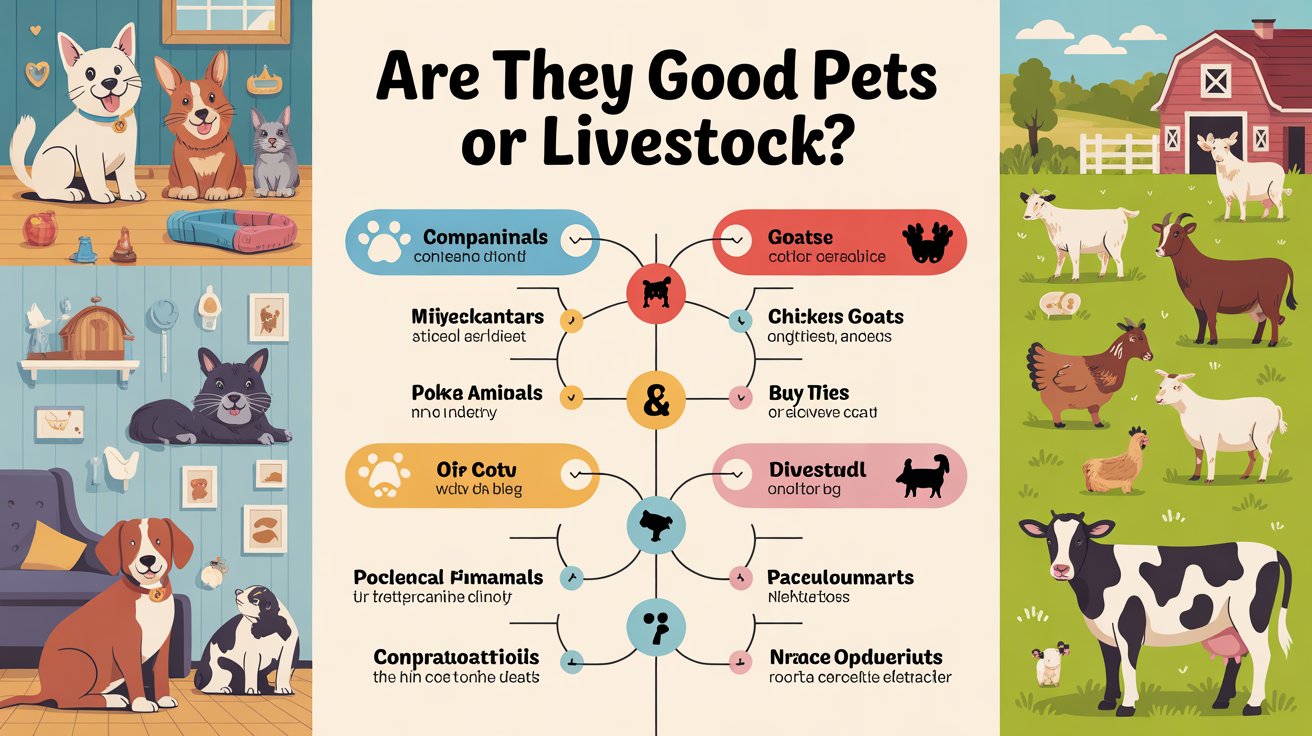
Are They Good Pets or Livestock?
Companionship Value
Some people keep them primarily as companions rather than for farming purposes.
Dual Purpose
They can also serve practical roles, such as grazing land management.
Not a Typical Pet
While adorable, they’re still livestock and require appropriate care and respect.
Pros and Cons to Consider
Advantages
- Manageable size
- Friendly temperament
- Unique appearance
Challenges
- Space requirements
- Ongoing costs
- Specialized care
Tips for First-Time Owners
Start Small
If you’re new to livestock, begin with one or two animals rather than a large herd.
Learn Before You Buy
Research thoroughly and speak with experienced owners or breeders.
Prepare Your Property
Make sure fencing, shelter, and food supplies are ready before bringing them home.
Why Are They So Popular?
Social Media Appeal
Their photogenic looks have made them internet favorites.
Lifestyle Trends
More people are embracing rural living, hobby farming, and sustainable lifestyles.
Emotional Connection
There’s something about their calm, almost storybook-like presence that resonates deeply with people.
A Simple Analogy: Like Owning a Living Plush Toy (But With Responsibilities)
Imagine having a giant, fluffy stuffed animal that actually breathes, moves, and interacts with you. Sounds magical, right? That’s the kind of charm these animals bring. But unlike a toy, they require daily care, attention, and commitment. It’s a blend of whimsy and responsibility.
FAQs
1. Are mini Highland cows easy to take care of?
They are relatively low-maintenance compared to larger cattle, but they still require proper feeding, shelter, and regular health care.
2. How much space do they need?
Even though they are smaller, they still need a decent amount of pasture space to roam and graze comfortably.
3. Can they live in warm climates?
Yes, but extra care is needed to prevent overheating, such as providing shade and plenty of water.
4. Do they get along with other animals?
Generally, yes. They are known for their calm nature and can coexist with other livestock when introduced properly.
5. How long do they live?
With good care, they can live for many years, often well into their teens.
Conclusion
Mini Highland cows are more than just a passing trend—they represent a unique blend of beauty, history, and companionship. Their gentle personalities and striking appearance make them stand out, whether on a farm or in a carefully managed rural setting.
However, owning one isn’t just about aesthetics. It’s a long-term commitment that requires time, space, and resources. If you’re willing to invest in their care, they can become a truly rewarding addition to your life—offering not just visual delight, but also a meaningful connection to nature.


