
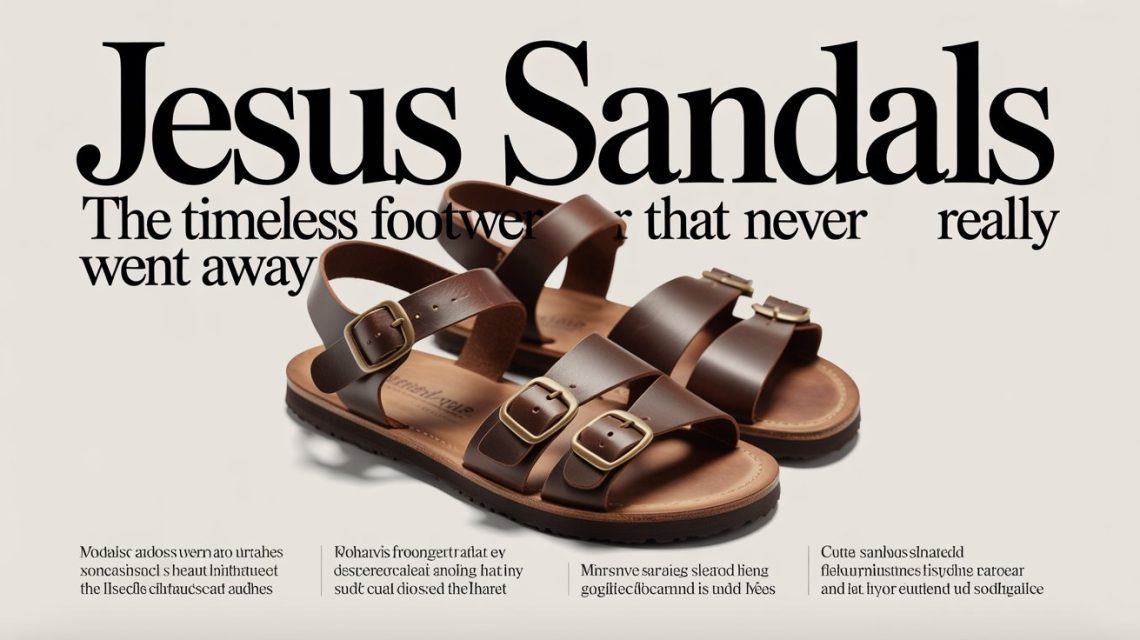
You’ve probably seen them before—flat leather footwear with open toes, sturdy straps, and a handmade appearance that feels both ancient and modern at the same time. Some people wear them for comfort, others for style, and many simply love the relaxed vibe they bring to everyday outfits.
But where did these sandals come from? Why are they called that? And how did a humble pair of leather shoes become a cultural icon worn by travelers, artists, beachgoers, and fashion lovers alike?
This article explores the history, meaning, styles, materials, and popularity of this enduring footwear. Think of them as the denim jeans of warm-weather shoes—simple, adaptable, and always somehow relevant.
Table of Contents
ToggleThe Origin of Jesus Sandals
The term “Jesus sandals” is commonly used to describe leather sandals inspired by ancient Middle Eastern footwear. The name comes from the belief that similar styles were worn during biblical times.
These sandals are typically made with:
- Flat soles
- Leather straps
- Open construction
- Minimalist design
Historically, people in hot climates needed footwear that allowed airflow while protecting their feet from rocky terrain. Leather was durable, accessible, and easy to repair, making it the ideal material for daily use.
Ancient civilizations such as the Romans, Greeks, and Hebrews all wore variations of open leather sandals. Ancient discoveries have uncovered sandals strikingly close in design to the leather styles still seen in shops today.
While the nickname may sound casual or humorous, the design itself carries centuries of practical craftsmanship and cultural influence.
Why They Became Popular Again
Fashion moves in circles. What once seemed outdated often returns with a fresh identity.
These sandals experienced several major revivals:
The 1960s and 1970s Counterculture Movement
During the hippie era, natural materials and handmade products became symbols of simplicity and freedom. Leather sandals fit perfectly into that lifestyle.
Young people embraced earthy fashion, flowing clothes, and artisan accessories. Footwear that looked handcrafted became a statement against mass-produced trends.
Travel and Backpacking Culture
Travelers loved sandals that were lightweight, breathable, and easy to pack. They became especially popular in beach towns and warm destinations.
Modern Minimalist Fashion
Today, many people prefer clean, timeless pieces over flashy trends. Simple leather footwear complements minimalist wardrobes effortlessly.
Instead of chasing seasonal designs, consumers increasingly value comfort, sustainability, and durability.
Different Styles You’ll Commonly See
Not all sandals in this category look the same. Over time, designers created multiple variations that suit different tastes and occasions.
Classic Fisherman Style
This version features woven leather straps covering much of the foot.
It offers:
- Better protection
- Vintage appeal
- Strong support
The woven design creates a rustic look many people associate with traditional craftsmanship.
Gladiator-Inspired Designs
These include multiple straps extending across the foot and sometimes up the ankle.
They often feel:
- Bold
- Artistic
- Fashion-forward
Gladiator-inspired footwear became especially popular in runway fashion and summer collections.
Minimal Strap Sandals
Some designs use only a few thin straps and a flat sole.
These are favored for:
- Lightweight comfort
- Simplicity
- Casual wear
They pair easily with shorts, linen pants, or beach outfits.
Handmade Artisan Versions
Crafted by local shoemakers, handmade sandals often use vegetable-tanned leather and traditional stitching methods.
Each pair may have:
- Slight imperfections
- Unique textures
- Personalized details
That uniqueness is part of the charm.
Materials That Make a Difference

The quality of sandals often depends heavily on the materials used.
Leather
Leather remains the most common choice because it molds to the shape of your feet over time. Good leather ages gracefully, developing character much like a well-loved leather jacket.
There are several types:
- Full-grain leather
- Genuine leather
- Suede
- Nubuck
Higher-quality leather usually lasts longer and feels more comfortable after breaking in.
Rubber Soles
Modern versions frequently include rubber bottoms for added grip and durability.
This makes them practical for:
- City walking
- Travel
- Wet surfaces
Cork Footbeds
Some sandals include cork layers that adapt to foot shape and improve cushioning.
This combination of support and flexibility appeals to people seeking all-day comfort.
Comfort: Why People Love Wearing Them
One reason these sandals remain popular is their comfort.
Unlike stiff dress shoes or tight sneakers, open sandals allow feet to breathe naturally. During hot weather, that can feel like a lifesaver.
Breathability
Air circulation reduces sweat and discomfort during summer months.
Natural Foot Movement
Flat soles often encourage a more natural walking motion.
Lightweight Feel
Many people appreciate how easy sandals feel compared to heavier footwear.
However, not every pair offers proper support. Cheap designs may cause discomfort during extended walking, which is why quality matters.
The Fashion Appeal of Rustic Footwear
Fashion often swings between polished elegance and relaxed authenticity. These sandals fall firmly into the second category.
They project:
- Simplicity
- Adventure
- Effortless style
Wearing them can create a laid-back aesthetic that feels approachable and relaxed.
Pairing Them With Casual Clothing
They work especially well with:
- Linen outfits
- Denim shorts
- Maxi dresses
- Relaxed trousers
- Beachwear
The Handmade Aesthetic
In a world filled with synthetic products, handmade leather footwear feels personal and grounded.
It’s similar to drinking coffee from a handmade ceramic mug instead of a disposable cup. The experience feels warmer and more human.
Are They Religious?
The nickname naturally sparks curiosity, which is why many people ask about its meaning and connection.
The sandals themselves are not inherently religious. The term simply references ancient-style footwear associated with biblical imagery.
People from all backgrounds wear them for:
- Comfort
- Fashion
- Cultural appreciation
- Practical use
For some, the name is purely descriptive. For others, it carries spiritual or historical associations.
Either way, modern wearers generally view them as a style category rather than a religious symbol.
Handmade Craftsmanship and Traditional Shoemaking
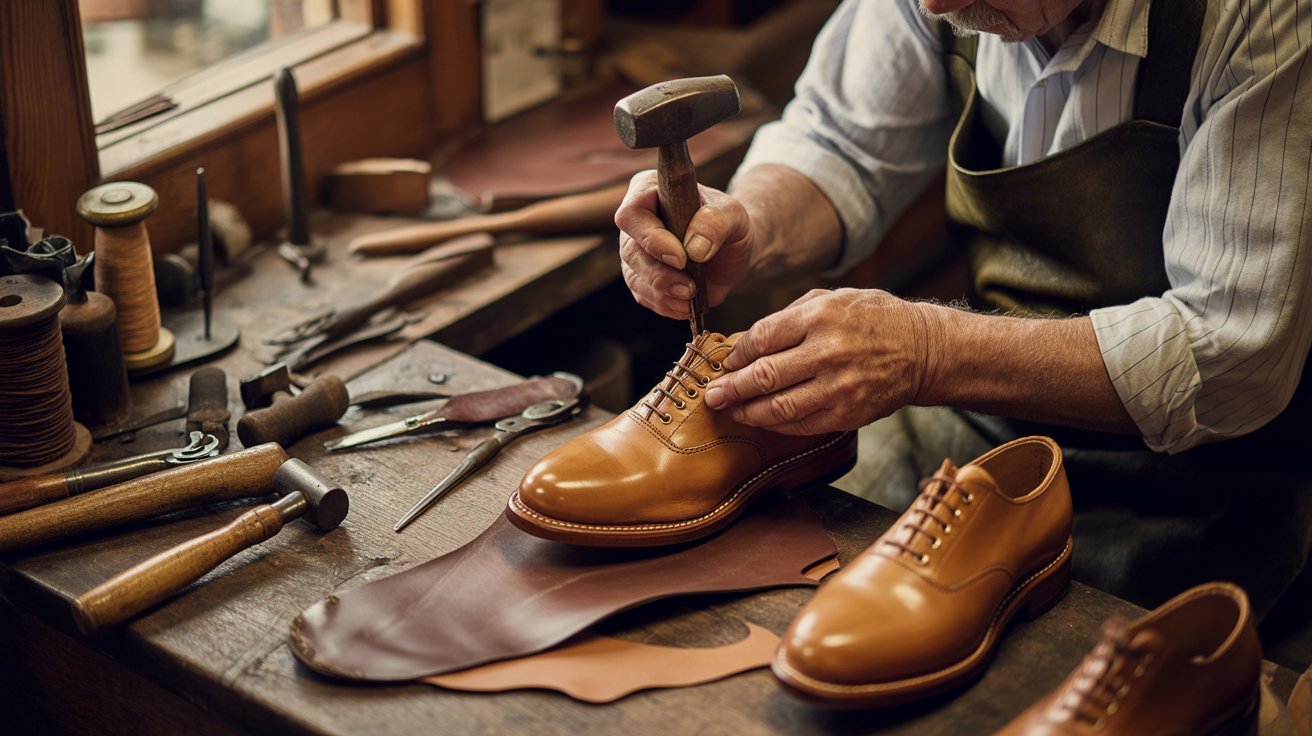
One of the most interesting aspects of these sandals is the craftsmanship behind them.
Many artisan shoemakers still create leather sandals using traditional methods passed down through generations.
Hand Cutting
Leather pieces are often cut manually rather than by machines.
Stitching Techniques
Some sandals feature hand stitching for improved durability and authenticity.
Natural Dyes
Artisans sometimes use plant-based dyes and tanning methods that create rich earthy tones.
This slower approach contrasts sharply with fast-fashion manufacturing.
For many buyers, supporting traditional craftsmanship feels meaningful.
Sustainability and Slow Fashion
Modern consumers increasingly think about how products affect the environment.
Leather sandals often align with the principles of slow fashion because they are:
- Durable
- Repairable
- Timeless
- Less trend-driven
Instead of buying multiple cheap shoes every year, some people invest in one well-made pair that lasts for years.
Reducing Waste
Long-lasting footwear helps reduce landfill waste caused by disposable fashion.
Repair Culture
Many leather sandals can be resoled or repaired rather than thrown away.
Natural Materials
Compared to plastic-heavy footwear, leather and cork may feel more environmentally conscious to some buyers.
Of course, sustainability debates around leather production still exist, and consumers often weigh ethical considerations differently.
Celebrity Influence and Pop Culture
Like many fashion items, these sandals gained visibility through celebrities and public figures.
Over the years, actors, musicians, and artists embraced rustic leather footwear as part of relaxed personal styles.
They often appear in:
- Summer streetwear photos
- Music festivals
- Coastal fashion campaigns
- Travel blogs
The appeal lies partly in their effortless appearance. They suggest comfort without looking careless.
Fashion magazines regularly reinvent them with luxury materials, designer branding, or updated silhouettes.
Common Myths About Jesus Sandals
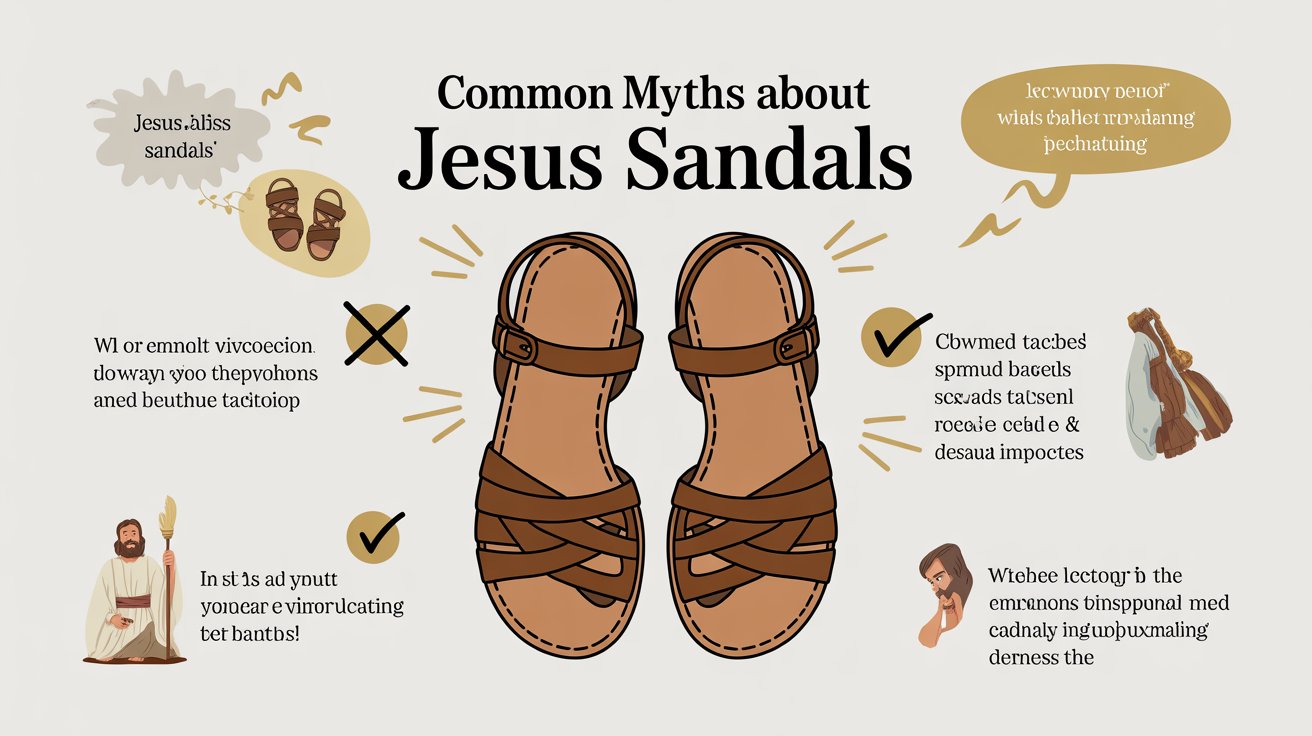
Several misconceptions surround this style.
“They’re Only for Hippies”
Not anymore.
Modern designs range from rugged outdoor styles to sleek minimalist fashion pieces.
“They Aren’t Stylish”
Fashion trends increasingly embrace simplicity and authenticity. Many luxury brands now produce leather sandals inspired by ancient designs.
“They’re Uncomfortable”
Poor-quality sandals can be uncomfortable, but well-made pairs often become softer and more supportive over time.
“Only Men Wear Them”
These sandals are worn by people of all genders and ages.
Designers now create countless variations for different fashion preferences.
How to Choose the Right Pair
Finding the right sandals involves more than choosing a color.
Check the Leather Quality
Soft, durable leather usually provides better long-term comfort.
Look at the Sole
A sturdy sole improves support and longevity.
Consider Fit
A good fit should hold your foot comfortably in place without feeling restrictive or overly snug.
Think About Usage
Are you buying them for:
- Travel?
- Daily errands?
- Beach trips?
- Fashion styling?
Different purposes may require different constructions.
Break-In Period
Some leather sandals need time to soften and adapt to your feet.
Patience often pays off.
Caring for Leather Sandals
Proper care can extend their lifespan significantly.
Keep Them Dry
Too much moisture can damage leather over time.
Use Leather Conditioner
Conditioners help prevent cracking and stiffness.
Store Them Properly
Avoid leaving them in direct sunlight or damp areas for long periods.
Clean Gently
Use a soft cloth or brush to remove dirt without damaging the material.
With regular care, quality sandals can last for many summers.
Why They Continue to Endure
Trends come and go, but certain products survive because they meet timeless human needs.
These sandals combine:
- Function
- Comfort
- Simplicity
- Tradition
- Versatility
In many ways, they represent a slower, more grounded approach to fashion.
People are often drawn to things that feel authentic. Leather sandals carry visible signs of craftsmanship, history, and everyday practicality.
They don’t try too hard to impress, and maybe that’s exactly why they continue to appeal across generations.
FAQs
1. Why are they called Jesus sandals?
The nickname comes from their resemblance to ancient leather sandals believed to have been worn during biblical times in the Middle East.
2. Are leather sandals comfortable for daily use?
Yes, many people find them very comfortable, especially in warm weather. High-quality leather usually becomes softer and more supportive over time.
3. Can these sandals be worn with modern outfits?
Absolutely. They pair well with casual clothing such as linen pants, jeans, shorts, and summer dresses.
4. How long do handmade leather sandals typically last?
With proper care, a well-crafted pair can last for several years and may even improve in appearance as the leather ages.
5. Are these sandals suitable for long walks?
Some are designed for extended walking, especially versions with cushioned soles and arch support. Choosing a high-quality pair makes a big difference.
Conclusion
Jesus sandals have traveled a long road from ancient civilizations to modern wardrobes. What began as practical footwear for hot climates evolved into a symbol of relaxed style, craftsmanship, and timeless simplicity.
Some people wear them for comfort during summer walks. Others love the rustic appearance or appreciate the connection to traditional shoemaking. Their enduring popularity proves that fashion doesn’t always need flashy innovation to stay relevant.
Like an old friend who never really changes, these sandals remain dependable, familiar, and surprisingly adaptable in a constantly shifting world of trends.
Whether you see them as a fashion statement, a travel essential, or simply comfortable warm-weather footwear, one thing is clear: their story is far from over.

