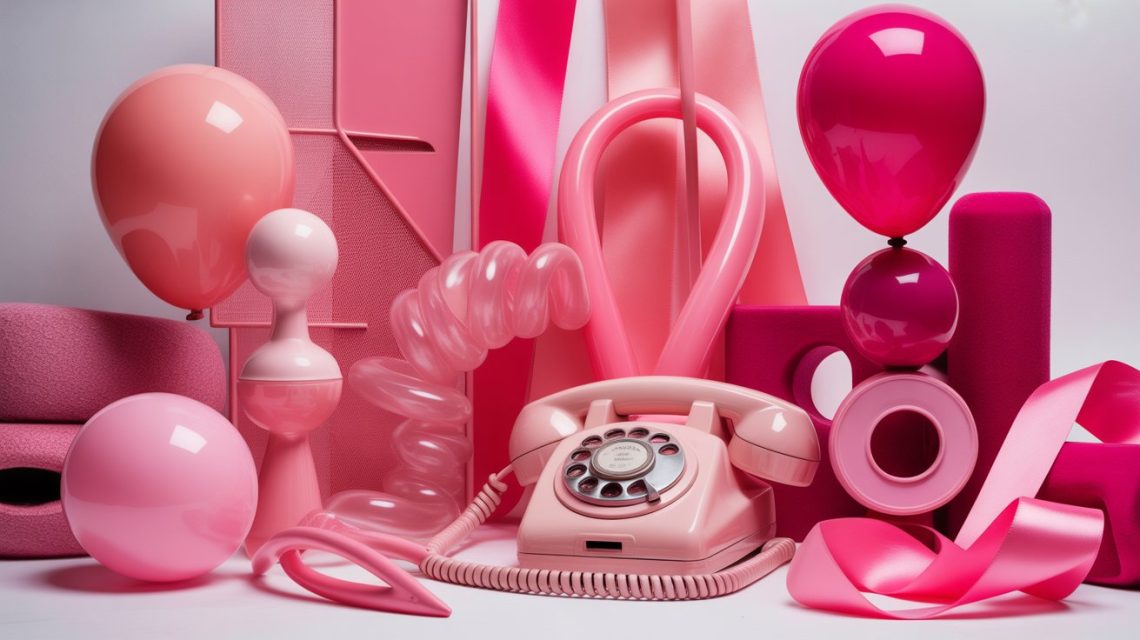
Bubblegum pink is more than just a bright shade sitting between pastel and neon. It is cheerful, nostalgic, expressive, and surprisingly versatile. One glance at it can remind you of childhood candy shops, retro fashion, pop culture, or even modern luxury branding. That’s the magic of color—it speaks before words do.
Some shades quietly blend into the background, but this lively hue walks into a room like the friend who instantly lifts everyone’s mood. Whether it appears in clothing, interior design, beauty trends, or digital aesthetics, it continues to reinvent itself generation after generation.
In this guide, you’ll explore where this iconic tone came from, why people love it, how it affects emotions, and how it is used in fashion, décor, branding, and everyday life.
The Origins of Bubblegum Pink
The name itself paints a picture. Think about classic chewing gum wrapped in shiny paper, inflated into giant bubbles during childhood afternoons. That playful image became tied to a very specific shade of bright pink.
Historically, pink shades were not always linked with femininity or sweetness. Centuries ago, softer reds and rosy tones symbolized wealth and status. Over time, brighter candy-inspired versions became associated with youth culture, fun, and pop art.
By the mid-20th century, colorful chewing gum brands popularized this cheerful tone. Advertising campaigns used vivid visuals to create excitement and energy. Eventually, the color escaped candy aisles and entered fashion magazines, cosmetic packaging, toys, and home décor.
Today, bubblegum pink carries both vintage nostalgia and modern creativity at the same time.
Why People Feel Drawn to This Shade
Color psychology plays a huge role in human behavior. Certain tones naturally influence mood, memory, and perception.
Bubblegum pink often creates feelings of:
- Optimism
- Warmth
- Playfulness
- Creativity
- Youthfulness
- Comfort
Unlike darker pinks that can feel dramatic or romantic, this brighter version feels approachable and energetic. It is bold without being aggressive.
Imagine color as music. Deep burgundy might sound like a slow jazz song, while bubblegum pink feels more like an upbeat pop anthem playing during a summer road trip.
That emotional connection explains why people continue using it in personal style and branding. It creates instant visual excitement.
Bubblegum Pink in Fashion
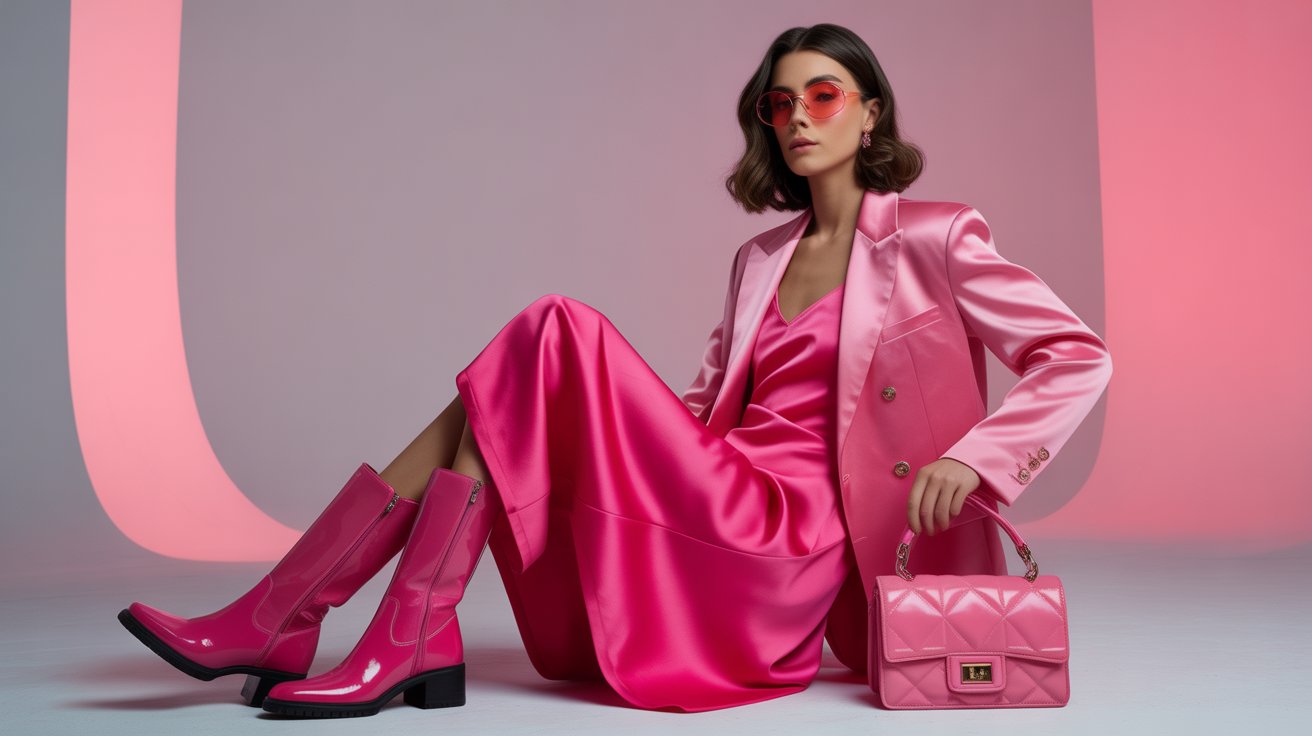
Fashion trends constantly evolve, yet this lively tone repeatedly returns to the spotlight.
Streetwear and Casual Style
Oversized hoodies, sneakers, bucket hats, and graphic tees frequently appear in bright pink shades. Younger audiences especially enjoy mixing bold colors with relaxed silhouettes.
What makes it work so well? It grabs attention without requiring complicated styling.
A simple pink sweatshirt paired with jeans can instantly make an outfit feel more energetic.
Luxury Fashion Influence
High-end designers have also embraced candy-inspired pink palettes. Runways often feature monochromatic suits, satin dresses, and statement coats in vibrant rosy tones.
Instead of looking childish, modern styling transforms the shade into something sophisticated and fashion-forward.
Gender-Neutral Styling
One major shift in recent years is how people view color. Bubblegum pink is no longer boxed into traditional gender expectations.
Men’s fashion collections increasingly include pink jackets, sneakers, shirts, and accessories. Many people now wear colors based on personal expression rather than outdated rules.
That freedom has helped this shade remain culturally relevant.
The Role of Bubblegum Pink in Beauty Trends
Beauty industries thrive on visual appeal, so it makes sense that vibrant pink tones dominate many trends.
Makeup Looks
Blush, lip gloss, nail polish, and eyeshadow collections often include bubblegum-inspired shades because they create a fresh and youthful appearance.
Soft pink cheeks can brighten the face instantly, while glossy pink lips evoke a playful retro vibe.
Hair Color Popularity
Temporary dyes and pastel-inspired hair colors exploded in popularity through social media. Bright pink hair became a form of self-expression, especially among younger generations.
From subtle highlights to fully colored hairstyles, the shade symbolizes confidence and individuality.
Packaging and Branding
Beauty brands frequently use bubblegum pink packaging because it feels exciting and photogenic. In a crowded market, visual identity matters enormously.
Products wrapped in vibrant pink often appear more fun, trendy, and approachable.
Interior Design and Home Décor
Many people assume bold pink belongs only in children’s bedrooms, but modern interiors prove otherwise.
Creating Energy in a Space
Used thoughtfully, bubblegum pink can bring warmth and personality into a room. Accent chairs, throw pillows, artwork, or rugs instantly add visual interest.
A neutral room with a few pink details suddenly feels alive.
Balancing Brightness
The key is balance. Pairing vibrant pink with white, gray, beige, or natural wood tones prevents spaces from feeling overwhelming.
Designers often combine it with minimalist décor to create contrast between playful and modern aesthetics.
Retro Revival
Vintage-inspired interiors frequently feature candy-colored palettes. Bubblegum pink refrigerators, tiles, and furniture pieces create nostalgic diner-style charm.
It feels both old-school and modern at the same time—a rare design quality.
Pop Culture and Celebrity Influence
Pop culture has helped keep bubblegum pink in the public eye for decades.
Music and Entertainment
From album covers to concert outfits, performers often use vibrant pink visuals to create memorable identities. The shade photographs beautifully and instantly stands out on screens and social media feeds.
Movies and Television
Many iconic movie sets and costumes use bright pink to symbolize glamour, fantasy, confidence, or exaggerated femininity.
Audiences subconsciously connect the color with energy and spectacle.
Social Media Aesthetics
Platforms like Instagram and TikTok amplified the popularity of visually striking palettes. Bubblegum pink backgrounds, neon signs, and themed cafés became highly shareable content.
The color practically thrives online because it catches the eye while scrolling.
How Brands Use Bubblegum Pink
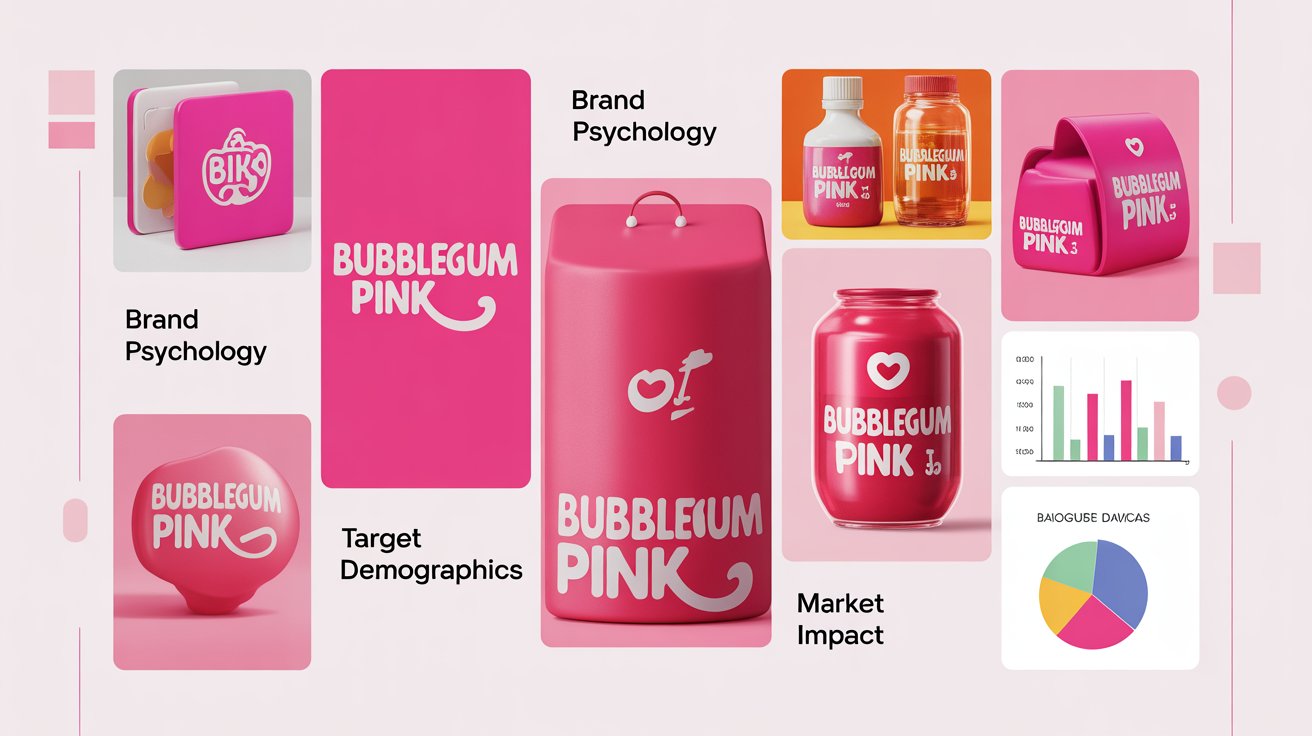
Companies carefully choose colors because they influence customer perception.
Bubblegum pink often communicates:
- Fun
- Creativity
- Accessibility
- Modern style
- Youthful energy
Food and Beverage Marketing
Candy, desserts, drinks, and snack brands frequently use pink packaging to suggest sweetness and excitement.
Technology and Lifestyle Products
Luxury Branding
Surprisingly, bright pink also appears in luxury campaigns. When paired with elegant typography and minimalist design, it can feel fashionable rather than childish.
That flexibility makes it incredibly valuable in marketing.
The Emotional Power of Bright Colors
Colors influence human behavior more than many people realize.
Bright pink shades can affect mood by creating feelings of excitement and positivity. Some psychologists believe warm vibrant tones stimulate emotional energy and social interaction.
Have you ever noticed how colorful cafés or boutiques feel more lively than dull gray spaces? That response is intentional.
Bubblegum pink especially works because it balances warmth and brightness without carrying the intensity of red.
It feels welcoming rather than intimidating.
Seasonal Appeal Throughout the Year
One reason bubblegum pink remains popular is its ability to adapt to different seasons.
Spring and Summer
During warmer months, the shade reflects flowers, sunshine, candy, and playful outdoor energy. It pairs beautifully with white, yellow, turquoise, and pastel palettes.
Fall Styling
Autumn fashion sometimes combines pink with earthy tones like camel, brown, and olive green for a more balanced look.
Winter Glamour
In winter, vibrant pink contrasts beautifully against darker seasonal colors. Many holiday fashion collections include bright pink coats, sweaters, or accessories for a modern twist.
Unlike some seasonal colors that disappear after a trend cycle, this shade keeps evolving.
Bubblegum Pink in Art and Creative Expression
Artists often use color to communicate emotion instantly.
Bubblegum pink appears in:
- Contemporary paintings
- Graphic design
- Digital art
- Photography
- Sculptures
- Fashion illustrations
Its brightness naturally attracts attention, making it useful for focal points and emotional contrast.
Symbolism in Art
Depending on context, the shade can symbolize:
- Joy
- Rebellion
- Femininity
- Nostalgia
- Fantasy
- Individuality
Modern creators frequently use exaggerated pink tones to challenge traditional ideas about beauty, identity, and culture.
That artistic flexibility keeps the color culturally important.
Pairing Bubblegum Pink With Other Colors
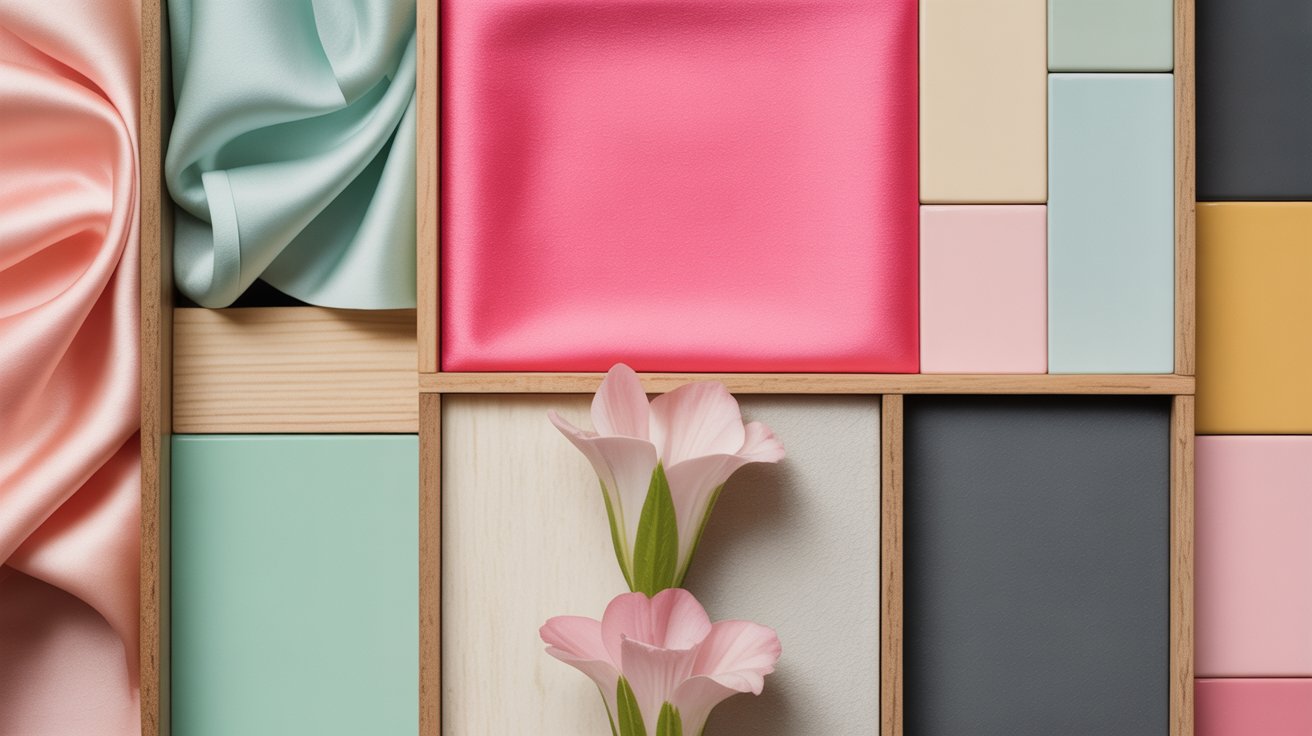
Classic Pairings
- White for a clean, fresh appearance
- Black for dramatic contrast
- Gray for balance and sophistication
- Gold for luxury-inspired aesthetics
Bold Combinations
- Orange for energetic retro styling
- Red for daring fashion looks
- Purple for dreamy creative palettes
- Lime green for playful pop-art energy
Soft Natural Tones
Earthy neutrals help calm the intensity of bright pink. Beige, cream, tan, and wooden textures create a more mature appearance.
Think of it like adding sugar to coffee. Too much sweetness alone may feel overwhelming, but balance creates something enjoyable.
Why Bubblegum Pink Continues to Trend
Many trends fade quickly, yet this shade keeps returning. Why?
It Sparks Nostalgia
People connect it with childhood memories, candy shops, cartoons, and carefree moments.
It Photographs Well
In the digital age, visually striking colors dominate online spaces. Bubblegum pink naturally stands out in photos and videos.
It Encourages Self-Expression
Bright colors help people express personality and confidence.
It Evolves Constantly
Sometimes it appears pastel and soft. Other times it becomes neon and dramatic. Designers continually reinvent it for new audiences.
That adaptability prevents it from feeling outdated.
Common Misconceptions About Bubblegum Pink
Despite its popularity, some misconceptions still exist.
“It’s Only for Kids”
Modern fashion and interior design prove otherwise. Styled correctly, bright pink can feel elegant, bold, or even minimalist.
“It Only Works for Feminine Styles”
Current trends increasingly reject rigid color stereotypes. People across all styles and identities wear and use pink confidently.
“It’s Too Loud”
Like any strong color, success depends on balance. Small accents can create personality without overwhelming a space or outfit.
Using Bubblegum Pink in Everyday Life
You do not need to redesign your entire home or wardrobe to enjoy this playful shade.
Simple ways to incorporate it include:
- Sneakers or handbags
- Phone cases
- Nail polish
- Throw pillows
- Wall art
- Stationery
- Water bottles
- Desk accessories
Small details often make the biggest impact.
Even one vibrant item can brighten your mood during an ordinary day.
The Future of Bubblegum Pink
Trends continue evolving toward individuality and emotional expression. Because of that, vibrant optimistic colors will likely remain important in fashion, media, and design.
Sustainability movements may also influence how brands use color. Vintage-inspired palettes and retro aesthetics are becoming increasingly popular, and bubblegum pink fits perfectly within that nostalgic revival.
Technology, social media, and digital design will probably keep pushing bold visuals forward as well.
This cheerful shade is not disappearing anytime soon.
FAQs
1. What exactly is bubblegum pink?
It is a bright, playful shade of pink inspired by the color of classic chewing gum. The tone usually sits between pastel pink and neon pink.
2. Why is bubblegum pink so popular in fashion?
The shade feels energetic, youthful, and visually striking. It also photographs well and works across casual, luxury, and streetwear styles.
3. Can bubblegum pink work in home décor?
Yes. When balanced with neutral colors like white, gray, or beige, it can add warmth and personality without overwhelming a room.
4. Does bubblegum pink have psychological effects?
Many people associate the shade with happiness, creativity, optimism, and nostalgia. Bright colors often create emotional energy and visual excitement.
5. Is bubblegum pink only associated with feminine design?
No. Modern trends increasingly treat color as a form of personal expression rather than something tied to traditional gender expectations.
Conclusion
Bubblegum pink is far more than a trendy color. It represents joy, creativity, nostalgia, and confidence all at once. From fashion runways to cozy living rooms, beauty products to social media aesthetics, it continues shaping modern culture in surprisingly powerful ways.
Its charm comes from emotional connection. People do not simply see this shade—they feel it. It reminds us of playful moments, expressive style, and the freedom to stand out.
Like a burst of sweetness in a gray routine, bubblegum pink brings energy wherever it appears. And perhaps that is why it continues capturing attention year after year.