When you think about facial features, some stand out more than others. Eyes are often described as windows to the soul, lips carry warmth in a smile, and then there’s the nose—quietly shaping the balance of our face. Among the many nose shapes people talk about, the “button nose” has its own unique charm. It’s petite, softly rounded at the tip, and often carries an air of gentleness and youthful charm. But could there be more to it than simply how it looks? Let’s take a closer look at this charming feature and explore why it carries such meaning in culture, beauty ideals, and even our sense of self.
What Exactly Is a Button Nose?
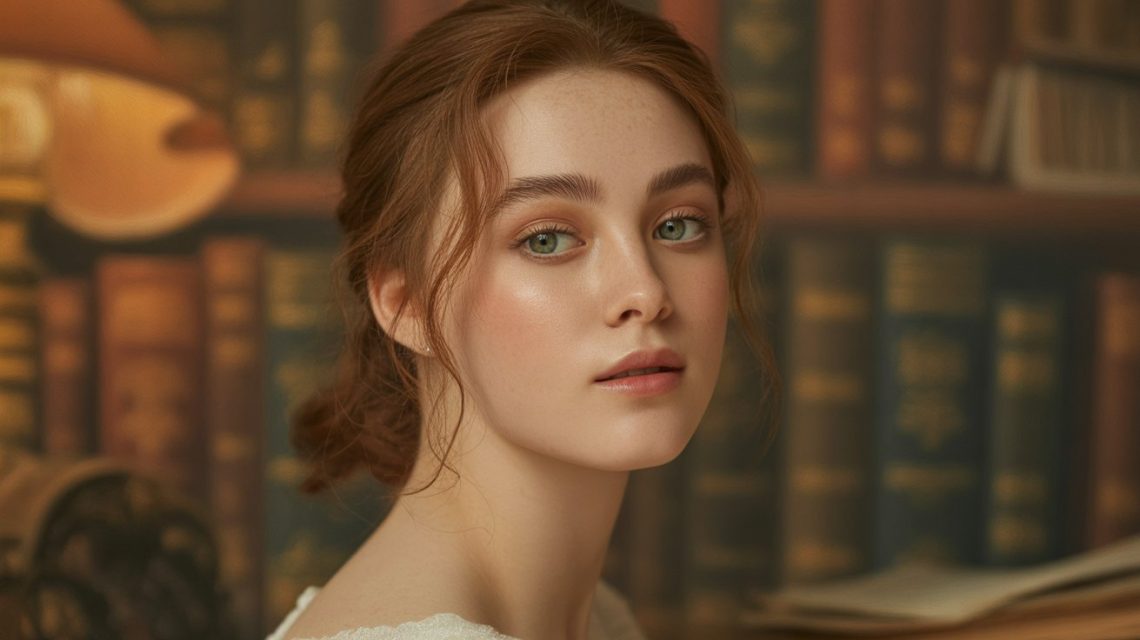
A button nose is typically described as small, rounded, and slightly upturned at the tip. Think of the shape of a tiny button sewn on a piece of fabric—it’s neat, soft, and symmetrical. Unlike sharper or more angular nose types, this one tends to give off a gentle, approachable vibe.
For some, it comes naturally as part of their genetic makeup. For others, it’s an admired feature often referenced in beauty magazines or even replicated through cosmetic surgery.
The Appeal of a Button Nose
Why do so many people find this nose shape appealing? Part of the answer lies in perception. A rounded, smaller nose is often linked to youthfulness and softness. Culturally, people tend to associate smaller, balanced features with innocence or friendliness.
It’s almost like the nose version of dimples—cute, endearing, and universally associated with charm.
Historical and Cultural Views

Different cultures have had different ideas about what makes an attractive nose. In some societies, longer or more prominent noses were celebrated as symbols of power or status. In others, a smaller, rounded nose was favored because it fit ideals of femininity or delicacy.
Interestingly, ancient art often reflects these ideals. Greek and Roman sculptures leaned toward strong, straight profiles, while some Asian traditions favored softer, rounded features. This shows that the concept of the “perfect” nose is not fixed—it changes with time and place.
Button Noses in Popular Media
Have you ever noticed how many beloved characters in movies and books are described as having button noses? From fairy-tale princesses to children’s book illustrations, the feature is often used to symbolize innocence, youth, or kindness.
Famous faces have also helped bring this look into the spotlight. Stars with rounded, petite noses often become reference points for beauty standards, influencing trends in fashion and cosmetic procedures.
Genetics and Inheritance
Like eye color or hair type, nose shape is largely inherited. The button nose is often passed down through family lines. While the overall size and structure of a nose are influenced by both parents, small details like the tilt of the tip or roundness at the end can vary.
It’s amazing how such a tiny feature can hold such a powerful link to family traits. You might even hear someone say, “She has her grandmother’s nose,” highlighting how a single feature links generations together.
The Role of a Button Nose in Facial Balance
The nose sits right in the middle of the face, making it a major factor in how our features come together. A button-shaped nose can create balance by softening stronger features or highlighting the eyes and lips.
Think of a painting—if one brushstroke is too bold, it takes attention away from the rest of the picture. A button nose often works like a gentle brushstroke, complementing rather than overshadowing other features.
Psychological and Social Perceptions
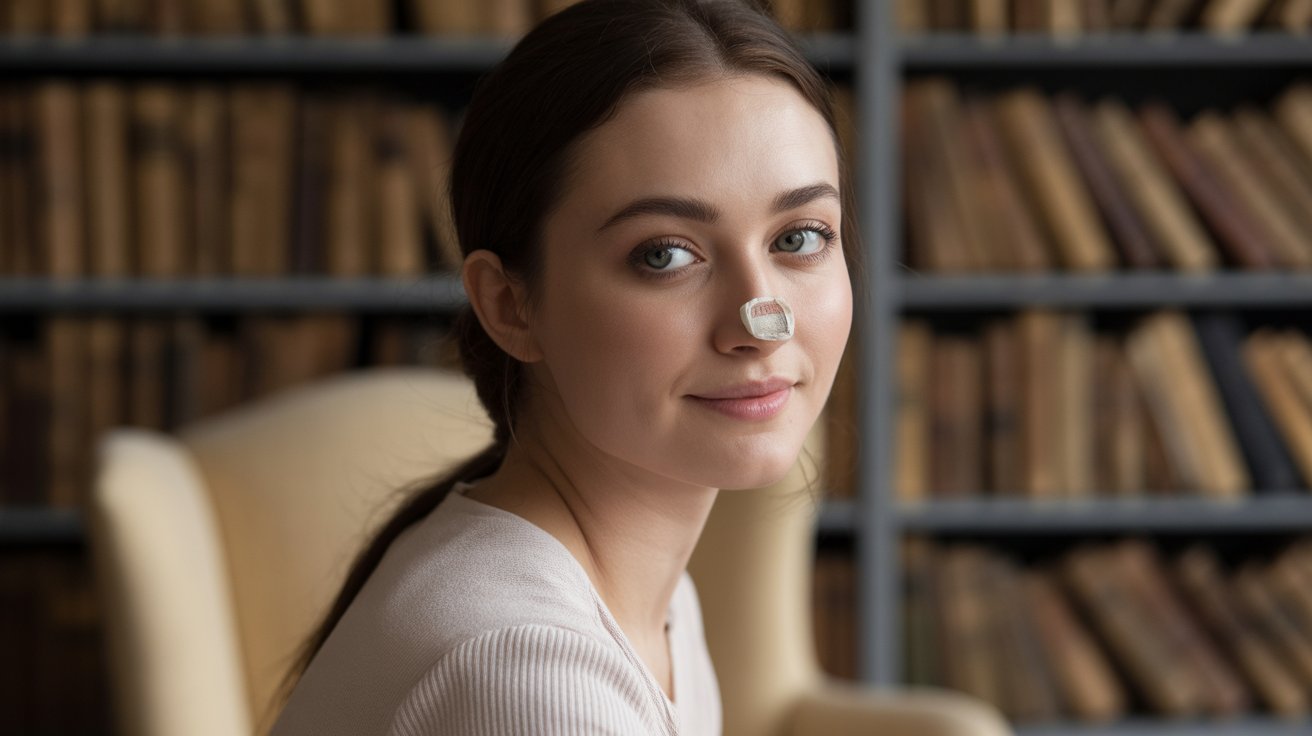
Facial features influence how we’re perceived socially. Studies in psychology suggest that smaller, rounder features are often linked to traits like warmth, kindness, and approachability. This doesn’t mean someone’s personality is dictated by their nose shape—but it shows how subconscious associations can play a role.
This may explain why actors or models with button noses are often cast in roles that emphasize innocence, youth, or friendliness. It’s a subtle but powerful cue that shapes how others interpret their persona.
Cosmetic Interest and Enhancements
In recent years, cosmetic procedures like rhinoplasty have grown in popularity. For many, the desire lies in creating or refining the gentle look of a button nose. The demand highlights how much value people place on this feature in terms of aesthetics.
Non-surgical treatments, such as fillers, can provide a temporary reshaping that imitates the button-like appearance. While this raises questions about beauty pressures, it also shows the impact a single feature can have on self-esteem.
Embracing Natural Beauty
While trends come and go, the most important factor is how someone feels about their own features. Not everyone has a button nose, and that’s perfectly okay. Every nose shape has its own character and adds to the uniqueness of a person’s identity.
Celebrating variety in beauty means recognizing that no single nose shape defines attractiveness. Instead, what matters most is confidence and comfort in your own skin.
Famous Faces with Button Noses

From Hollywood icons to beloved fictional characters, button noses have left a mark. Stars like Marilyn Monroe and more contemporary figures have been admired for their delicate, rounded profiles. In animation, characters like Snow White or Wendy from Peter Pan were often drawn with button-like noses to emphasize innocence and sweetness.
These portrayals reinforce how strongly this feature has been tied to certain qualities in storytelling and media.
Button Nose as a Symbol of Youthfulness
One reason the button nose continues to be admired is its association with youth. Babies and young children often have small, rounded noses that gradually change with age. When adults retain a similar nose shape, it gives the impression of youthful energy and softness.
It’s a little like keeping the sparkle in your eyes—it makes you look vibrant no matter your age.
Modern Shifts in Beauty Standards
Beauty standards aren’t fixed in stone. In today’s world, social media has expanded the definition of attractiveness, giving space to a wide variety of facial features. While button noses remain admired, so do aquiline, straight, or even uniquely asymmetrical noses.
This shift encourages people to embrace individuality rather than striving for one-size-fits-all ideals. It’s an uplifting shift that celebrates beauty in all its diverse forms.
A Nose by Any Other Name
We often overlook how deeply a single word or description can shape perception. Calling a nose “button-like” adds an element of charm. It’s like describing someone as having a “twinkle in their eye” or a “sunny smile.” The phrase itself carries warmth, making it not just a physical description but a compliment in its own right.
FAQs
1. What defines a button nose?
A button nose is typically small, rounded, and slightly upturned at the tip, resembling the shape of a button.
2. Is a button nose considered attractive?
Many people find it appealing due to its association with youthfulness and softness, though attractiveness is subjective and varies across cultures.
3. Can someone develop a button nose naturally?
Yes, it’s usually inherited genetically, passed down through family lines.
4. Can surgery create a button nose?
Yes, rhinoplasty or non-surgical fillers can reshape the nose to mimic this look, though it’s a personal choice.
5. Do beauty standards always favor button noses?
Not always. Beauty standards shift over time and vary by culture, with different nose shapes celebrated in different societies.
Conclusion
The button nose may be small in size, but it carries big meaning. From cultural ideals to personal confidence, it’s more than just a feature—it’s a symbol of youthfulness, charm, and individuality. Whether you have one, admire them, or simply find them fascinating, the important thing to remember is that beauty lies in variety. Just like a garden full of different flowers, the human face shines brightest when celebrated for its uniqueness.