There’s something quietly magical about watching a picture come to life, one dot at a time. You start with scattered numbers or letters, and before you know it, a shape appears—almost like solving a tiny mystery. If you’ve ever handed a child a sheet and seen their eyes light up, you already know the charm. But here’s the thing: this activity isn’t just for kids, and it’s not just about fun. It’s a clever blend of learning, creativity, and relaxation wrapped into one simple page.
So, what makes these printable pages so popular? Why do they continue to show up in classrooms, homes, and even adult hobby kits? Let’s connect the dots—literally and figuratively.
What Are Connect the Dots Printables?
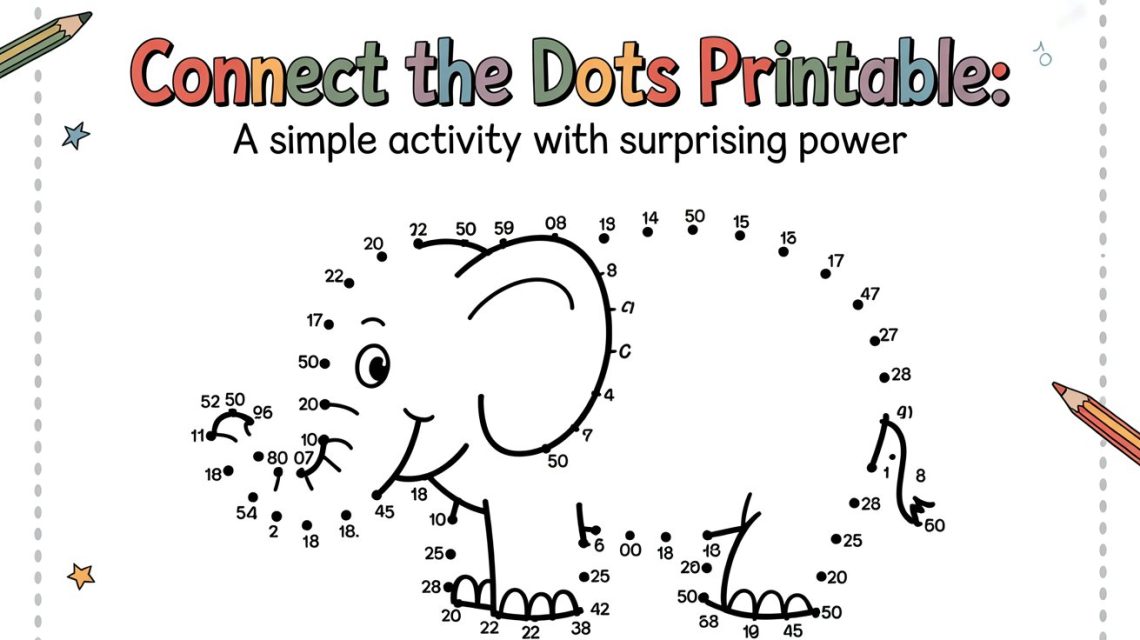
At their core, these are sheets filled with numbered or lettered points. The goal is simple: follow the sequence and draw lines between them. Once completed, a hidden image appears.
Think of it like assembling a puzzle without pieces. Instead of fitting shapes together, you’re drawing the path that reveals the final picture.
They can range from very easy (perfect for toddlers) to extremely complex designs that challenge even adults. Some use numbers, others use the alphabet, and a few mix both for an extra twist.
Why People Still Love This Classic Activity
In a world full of fast-moving screens and digital distractions, there’s something refreshing about a quiet, hands-on task.
It slows things down.
You’re not swiping or tapping—you’re focusing, tracing, and discovering. That shift alone makes it appealing.
It feels rewarding.
Every line you draw brings you closer to the final image. It’s a small but satisfying sense of progress.
It works for all ages.
From young learners to adults looking to unwind, the simplicity makes it universally enjoyable.
Benefits for Children’s Development
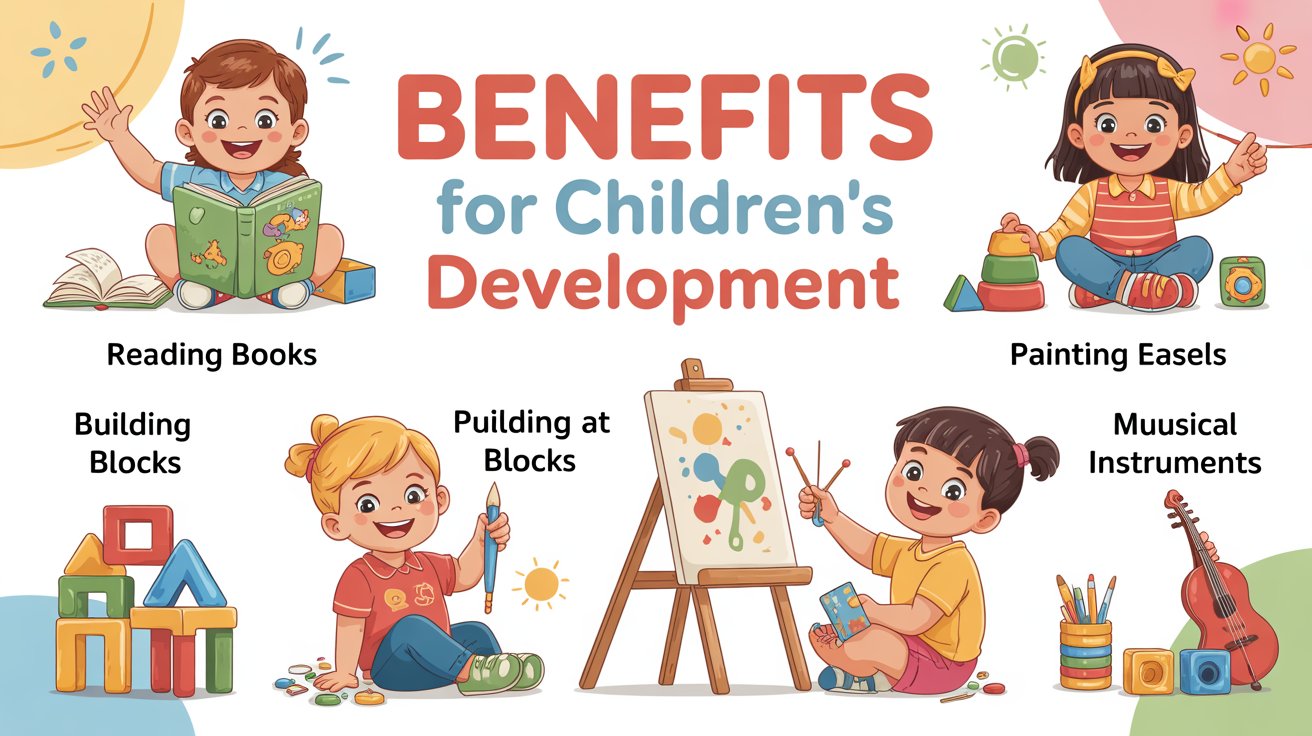
You might think it’s just playtime, but there’s a lot happening behind the scenes.
Improves Hand-Eye Coordination
Connecting points requires control and precision. Over time, this strengthens the link between what children see and how they move their hands.
Builds Number and Letter Recognition
Following sequences reinforces learning naturally. Kids don’t feel like they’re studying—they’re just having fun.
Encourages Patience
Let’s be honest—kids aren’t always known for patience. But this activity gently teaches them to slow down and follow through.
Boosts Confidence
Finishing a page gives a sense of achievement. It’s a small win, but it matters.
A Surprising Tool for Adults Too
You might be thinking, “Isn’t this just for kids?” Not really.
Adults are increasingly turning to simple activities like this to relax and reset.
It acts like a mini escape.
After a long day, focusing on something straightforward can be calming—almost meditative.
It reduces stress.
The repetitive motion and clear goal help quiet the mind.
It sparks creativity.
Some designs are intricate and artistic, making them enjoyable even for seasoned hobbyists.
Different Types of Connect the Dots Printables
Not all sheets are created equal. There’s a wide variety to explore.
Number-Based Designs
These are the most common. You connect numbers in order—1, 2, 3, and so on.
Alphabet-Based Sheets
Perfect for early learners. Instead of numbers, you follow letters from A to Z.
Color-Coded Versions
Some pages use colors instead of numbers, adding a visual twist.
Extreme or Advanced Patterns
These can have hundreds (or even thousands) of points. They’re detailed, challenging, and surprisingly addictive.
How to Choose the Right Difficulty Level
Picking the right level makes all the difference.
For beginners:
Start with fewer points and larger spacing.
For growing learners:
Increase complexity gradually. Add more numbers or smaller gaps.
For adults or advanced users:
Go for detailed images with high point counts.
If it’s too easy, it gets boring. Too hard, and it becomes frustrating. The sweet spot is where it feels just challenging enough.
Using Printables at Home
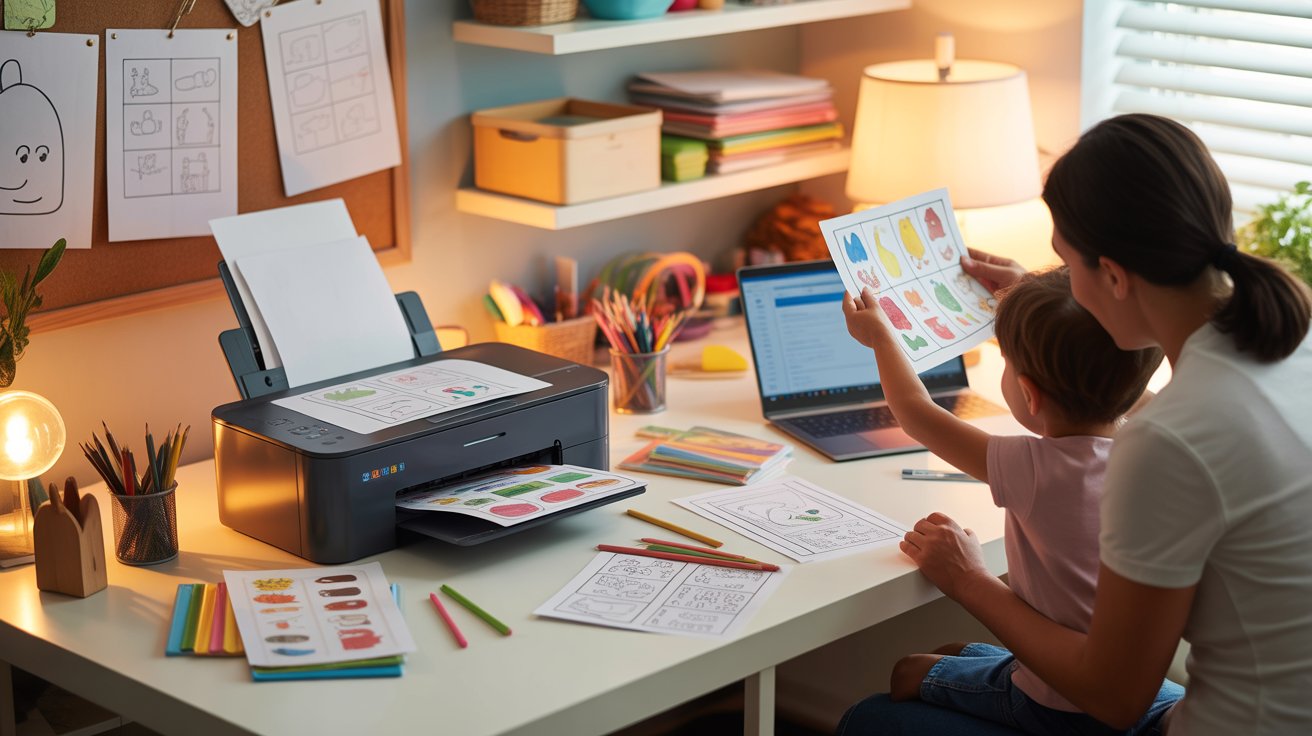
You don’t need a classroom to make the most of these.
Create a Daily Activity Routine
Set aside a few minutes each day. It could be after school or before bedtime.
Turn It into Family Time
Why not sit together and work on different sheets? It’s a simple way to bond without screens.
Use Them as Rewards
Kids love earning something fun. A fresh sheet can be a great incentive.
Creative Ways to Make It More Fun
You don’t have to stick to just connecting dots.
Add colors afterward.
Once the image is complete, turn it into a coloring activity.
Guess the picture first.
Before connecting, ask: “What do you think it will be?”
Time challenges.
Turn it into a light game—how fast can you finish?
These small twists can make the experience feel new every time.
Educational Uses Beyond the Basics
Teachers and parents can use these sheets in clever ways.
Math Practice
Skip counting, sequencing, and number patterns can all be reinforced.
Language Learning
Alphabet sheets help with letter order and recognition.
Problem-Solving Skills
Following sequences trains the brain to think logically.
It’s learning disguised as play—which is often the most effective kind.
Printing Tips for Best Results
A good print can make the activity more enjoyable.
Use clear, high-quality paper.
Thin paper can tear or smudge.
Choose the right size.
Standard A4 works well, but larger prints are easier for younger kids.
Adjust printer settings.
Make sure lines and numbers are sharp and easy to read.
A small effort here can make a big difference in usability.
Digital vs Printable: Which Is Better?
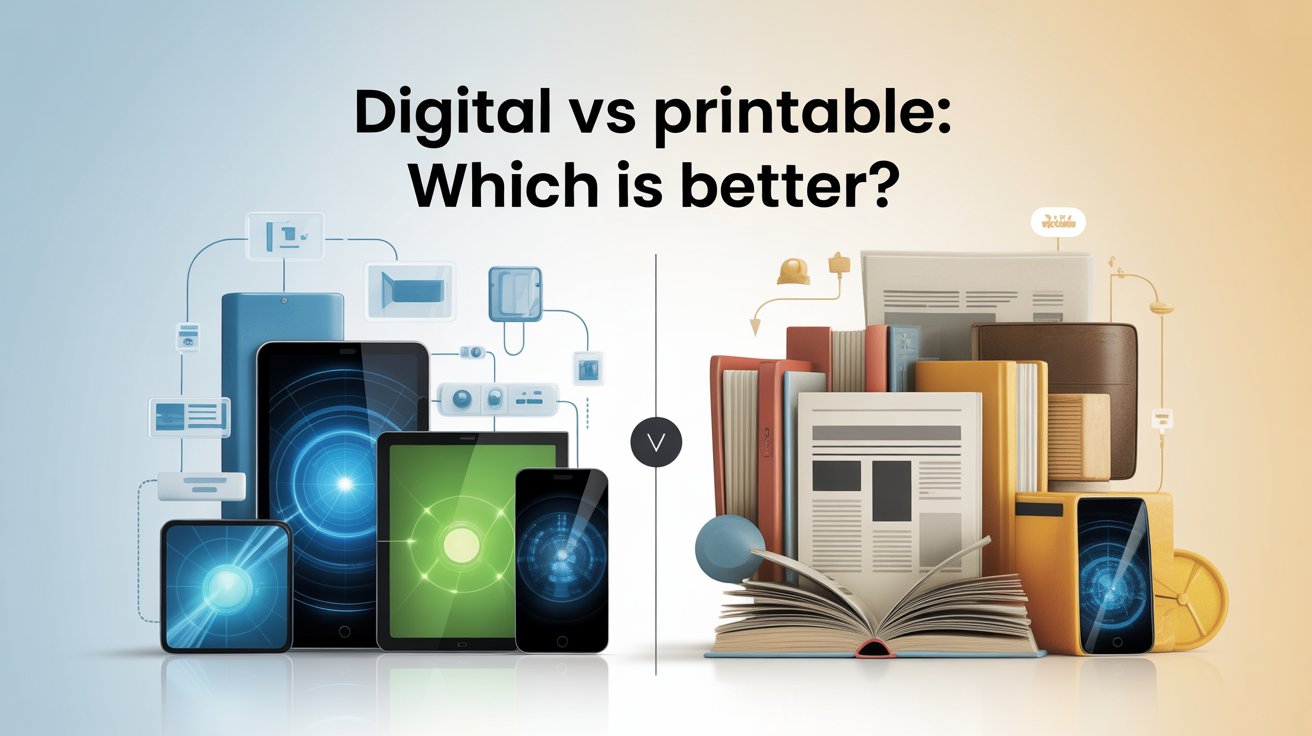
You can find digital versions too, but printables still have their edge.
Printables feel tangible.
There’s something satisfying about holding a pencil and paper.
Less screen time.
A big plus, especially for kids.
Digital versions offer convenience.
No printing needed, and you can reuse them easily.
In the end, it depends on your preference. Many people enjoy mixing both.
Are They Still Relevant Today?
With all the modern tools available, you might wonder if this activity still holds up.
The answer is yes—more than ever.
In a fast-paced world, simple activities offer a break. They remind us that not everything needs to be complicated to be meaningful.
Sometimes, the simplest things stick around because they just work.
FAQs
1. What age group are connect the dots printables suitable for?
They’re suitable for all ages. Simple versions work for toddlers, while complex designs can challenge teens and adults.
2. Can these activities help with learning numbers and letters?
Yes, they naturally reinforce number order and alphabet recognition, especially for young learners.
3. Are there benefits beyond entertainment?
Absolutely. They improve coordination, focus, patience, and even problem-solving skills.
4. Where can I find good quality printables?
Many educational websites and creative platforms offer free and premium options. Look for clear designs and appropriate difficulty levels.
5. Can adults really enjoy connect the dots activities?
Yes, many adults use them as a relaxing, stress-relieving hobby—especially more detailed and complex designs.
Conclusion
Connecting dots might seem like a small, even old-fashioned activity—but that’s exactly its strength. It doesn’t demand much, yet it gives back in surprising ways. It teaches, relaxes, engages, and even sparks creativity, all without needing a screen or special tools.
Whether you’re a parent looking for something educational, an adult seeking a quiet moment, or just someone curious to try something simple, this activity offers a gentle reminder: progress doesn’t always have to be fast to be rewarding. Sometimes, it’s about enjoying each step—one dot at a time.