
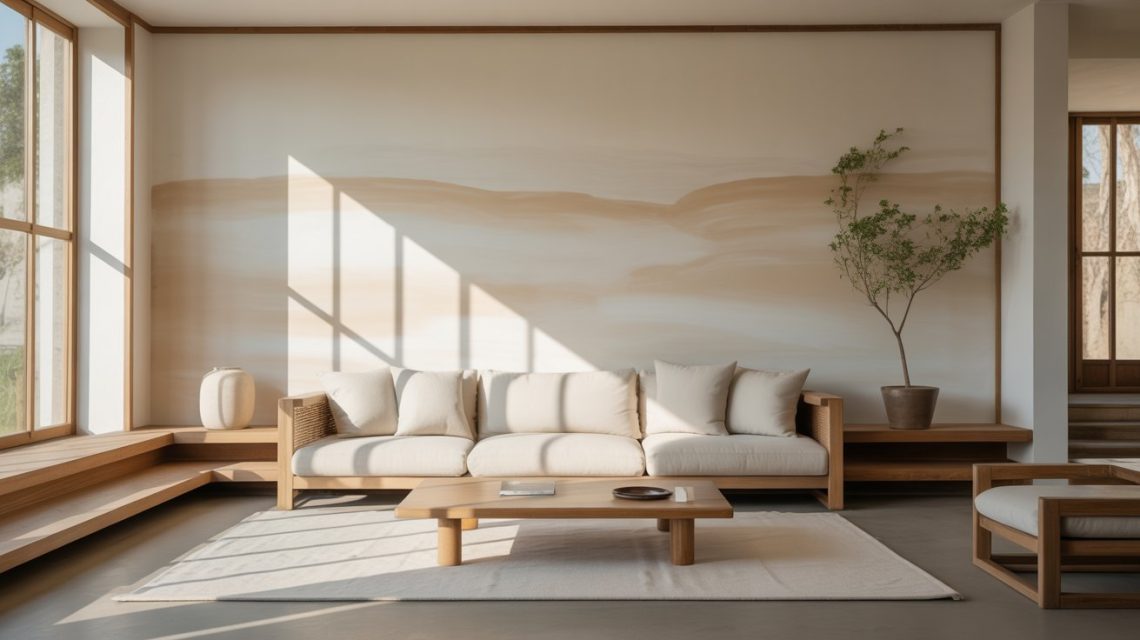
Have you ever walked into a room and instantly felt calm, as if the space itself was taking a deep, quiet breath? That’s the magic of a perfectly chosen paint color. Among the many shades available today, one subtle yet powerful option has been quietly winning hearts—Shoji White.
It’s not loud. It doesn’t demand attention. Yet somehow, it changes everything around it.
In this guide, we’ll explore what makes this soft neutral so special, how to use it in your home, and why it continues to be a favorite for both modern and classic interiors.
Table of Contents
ToggleWhat Is Shoji White?
Shoji White is a warm, off-white paint color that leans slightly toward beige or greige tones. Unlike stark whites that can feel cold or clinical, this shade carries a gentle warmth that makes a room feel lived-in and welcoming.
Think of it as the middle ground between crisp white and soft cream. It doesn’t overpower a space, but it doesn’t disappear either. Instead, it quietly enhances everything around it.
Why Is It So Popular?
A Versatile Neutral
One of the biggest reasons people gravitate toward this shade is its flexibility. It works with a wide range of styles—modern, farmhouse, traditional, and even minimalist.
You don’t have to redesign your entire space to make it work. It adapts.
Warm Without Being Yellow
Some warm whites can look too creamy or yellow under certain lighting. This tone avoids that problem by staying balanced. It feels cozy without becoming overwhelming.
Soft and Relaxing Feel
If bright white is like a spotlight, this shade is more like candlelight—soft, calming, and easy on the eyes.
Understanding Its Undertones

Subtle Greige Influence
At first glance, it may look like a simple off-white. But if you pay attention, you’ll notice a hint of gray mixed with beige. This combination gives it depth.
Lighting Changes Everything
Here’s where things get interesting. The color shifts depending on lighting:
- In natural daylight, it looks brighter and cleaner
- In warm artificial light, it leans cozier and slightly beige
- In cool lighting, the gray undertones become more visible
It’s a bit like a chameleon—always adapting, never boring.
Where Does It Work Best?
Living Rooms
This shade shines in spaces where comfort matters most. It creates a relaxed backdrop that pairs well with furniture, art, and textures.
Bedrooms
Want a peaceful retreat? This color helps tone down visual noise, making it easier to unwind at the end of the day.
Kitchens
In kitchens, it offers a softer alternative to bright white cabinets or walls. It keeps the space fresh without feeling too stark.
Hallways and Entryways
These transitional spaces benefit from a color that flows well with everything. This neutral does exactly that.
Pairing It With Other Colors
Earthy Tones
Think soft browns, warm taupes, and muted greens. These combinations feel grounded and natural.
Dark Contrasts
Pairing it with charcoal or deep navy creates a striking contrast. The softness of the walls balances the boldness of darker accents.
Wood Finishes
Natural wood—whether light oak or deep walnut—looks especially beautiful next to this shade. It enhances the warmth without clashing.
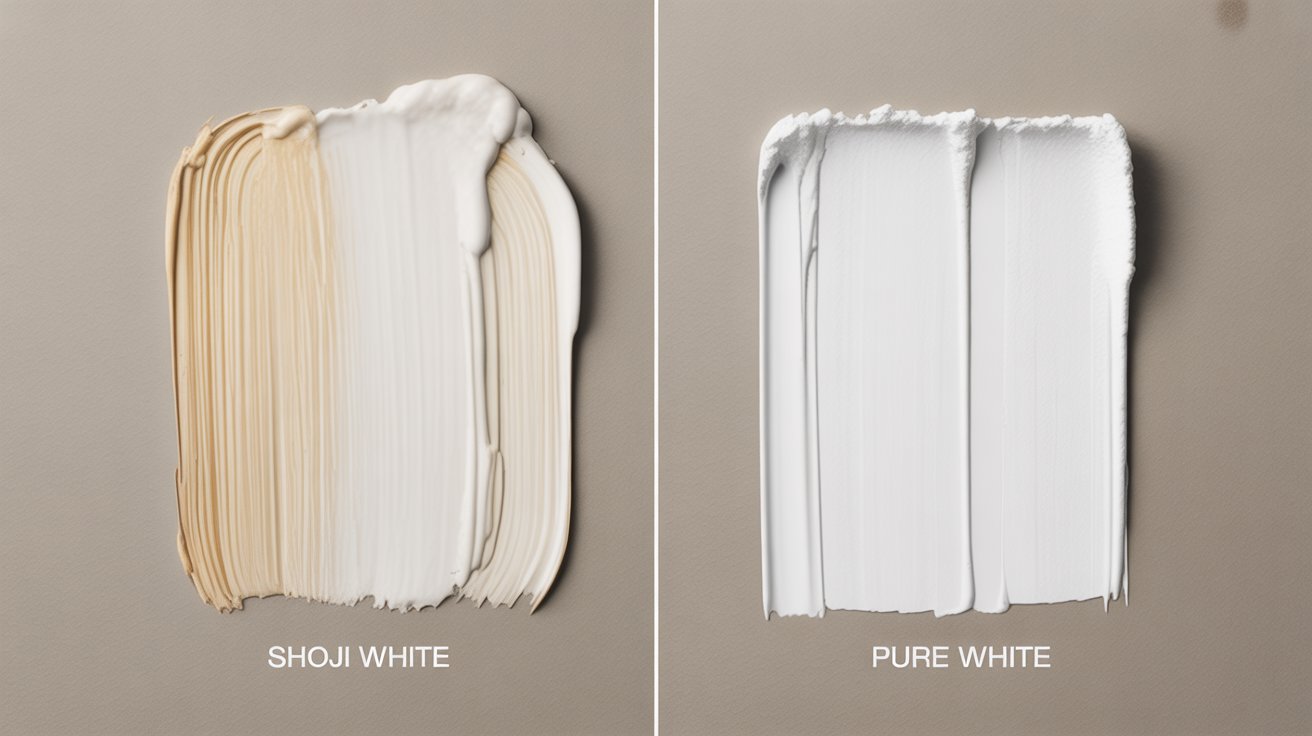
Shoji White vs. Pure White
The Difference in Feel
Pure white can feel crisp and modern, but sometimes it comes off as sterile. This softer option adds warmth and depth, making a room feel more inviting.
Which One Should You Choose?
Ask yourself: do you want your space to feel like a gallery or a home?
- Choose pure white for a clean, sharp look
- Choose this soft neutral for a cozy, lived-in vibe
Using It on Walls, Cabinets, and Trim
Walls
This is where it performs best. It provides a neutral canvas that allows decor to stand out.
Cabinets
For kitchens or bathrooms, it offers a fresh look without the harshness of bright white cabinetry.
Trim and Doors
While some prefer crisp white for trim, using the same shade throughout can create a seamless, modern feel.
The Role of Lighting
Natural Light
Rooms with plenty of sunlight will highlight its lighter side, making it feel airy and open.
Artificial Lighting
Warm bulbs enhance its cozy tones, while cool bulbs bring out its subtle gray side.
Testing Is Essential
Always test the color in your space before committing. Paint a sample on different walls and observe it throughout the day.
How It Fits Different Design Styles
Modern Interiors
Its clean yet warm appearance works beautifully with minimalist furniture and sleek lines.
Farmhouse Style
Pair it with rustic wood, soft textiles, and vintage accents for a charming, lived-in feel.
Scandinavian Spaces
The light, airy nature of this shade aligns perfectly with Scandinavian simplicity and functionality.
Common Mistakes to Avoid
Skipping the Sample Test
Colors look different on a swatch than they do on a full wall. Testing saves you from surprises.
Ignoring Lighting Conditions
A shade that looks perfect in one room might feel completely different in another.
Overmatching Everything
While it pairs well with many tones, don’t make everything the same. Contrast adds interest.
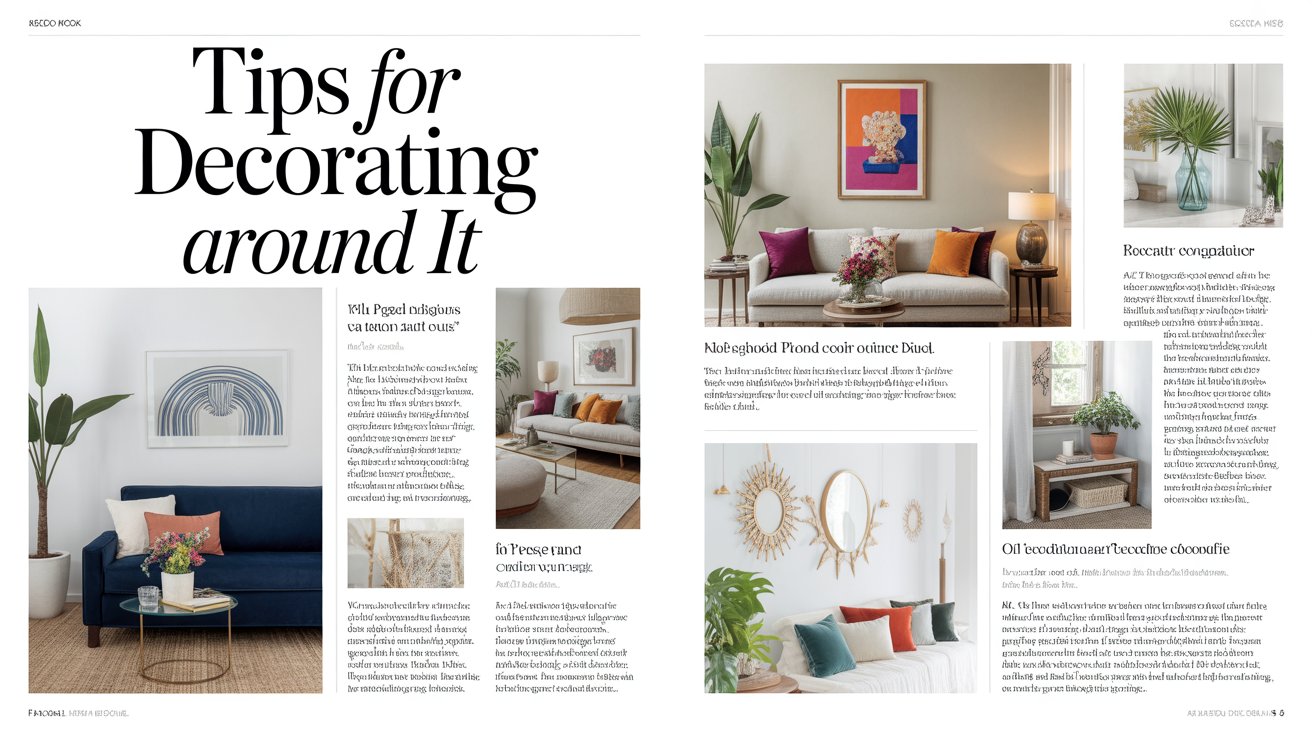
Tips for Decorating Around It
Layer Textures
Since the color itself is subtle, textures become more important. Think rugs, cushions, and curtains.
Add Personal Touches
Artwork, plants, and decor items stand out beautifully against this neutral background.
Play With Contrast
Mix light and dark elements to create visual balance.
A Simple Analogy to Understand It
Imagine your favorite cup of tea. Not too strong, not too weak—just perfectly balanced. That’s what this shade feels like in a room.
It doesn’t shout for attention, but once you experience it, you notice how much better everything feels.
Is It the Right Choice for You?
If you’re someone who values comfort, flexibility, and subtle elegance, this color could be a great fit.
It works especially well if:
- You want a neutral that isn’t boring
- You prefer warm, inviting spaces
- You like colors that adapt rather than dominate
FAQs
1. Is Shoji White more warm or cool?
It leans warm but has subtle gray undertones that keep it balanced.
2. Does it work in small rooms?
Yes, it can make small spaces feel larger and more open while still maintaining warmth.
3. Can it be used for exterior paint?
Absolutely. It creates a soft, elegant look for home exteriors.
4. What colors go best with it?
Earth tones, muted greens, dark grays, and natural wood finishes pair beautifully.
5. Does lighting affect how it looks?
Yes, lighting plays a big role. It can appear brighter, warmer, or slightly gray depending on the light source.
Conclusion
Choosing the right paint color can feel overwhelming, but sometimes the best option is the one that quietly supports everything else in the room. Shoji White does exactly that.
It’s soft without being dull, warm without being heavy, and versatile without losing character. Whether you’re refreshing a single room or redesigning your entire home, this shade offers a reliable foundation that grows with your style.
In a world full of bold choices, sometimes the most powerful statement is the one that whispers.


