
Have you ever wondered what it would be like to strip your meals down to the basics—just meat, flavor, and satisfaction? No complicated ingredient lists, no endless prep, just real food cooked in a way that feels natural and filling. That’s the idea behind carnivore-style cooking. It’s like going back to the roots of eating, where every bite feels purposeful and nourishing.
In this guide, you’ll explore a wide range of meal ideas, cooking techniques, and practical tips to help you enjoy this approach without feeling limited or bored. Think of it like building a house with only a few materials—but still ending up with something strong, beautiful, and surprisingly versatile.
Table of Contents
ToggleWhat Are Carnivore Recipes?
At its core, this style of cooking focuses on animal-based foods. That means meat, fish, eggs, and sometimes dairy. No vegetables, grains, or plant-based ingredients—just simple, protein-rich meals.
But simplicity doesn’t mean dull. In fact, removing distractions can make flavors stand out more. A perfectly cooked steak, for example, doesn’t need much to shine.
Why people enjoy it:
- Easy meal planning
- Fewer ingredients to manage
- Deep, rich flavors
- High satiety (you feel full longer)
Why People Are Drawn to This Way of Eating
Some people come to this lifestyle out of curiosity, others for health reasons, and some just because they enjoy meat-based meals.
Common motivations include:
- Wanting a straightforward diet
- Reducing processed foods
- Exploring high-protein eating
- Simplifying grocery shopping
It’s a bit like decluttering your kitchen—you remove the extras and focus on what truly matters.
Essential Ingredients to Keep on Hand
You don’t need a long shopping list. In fact, the beauty lies in its simplicity.
Core staples:
- Beef (steaks, ground meat, ribs)
- Chicken (thighs, wings, whole cuts)
- Lamb (chops, shanks)
- Fish (salmon, tuna, sardines)
- Eggs
- Butter or animal fats
Optional additions:
- Cheese
- Cream
- Bone broth
With just these ingredients, you can create dozens of satisfying meals.
Basic Cooking Methods That Make All the Difference
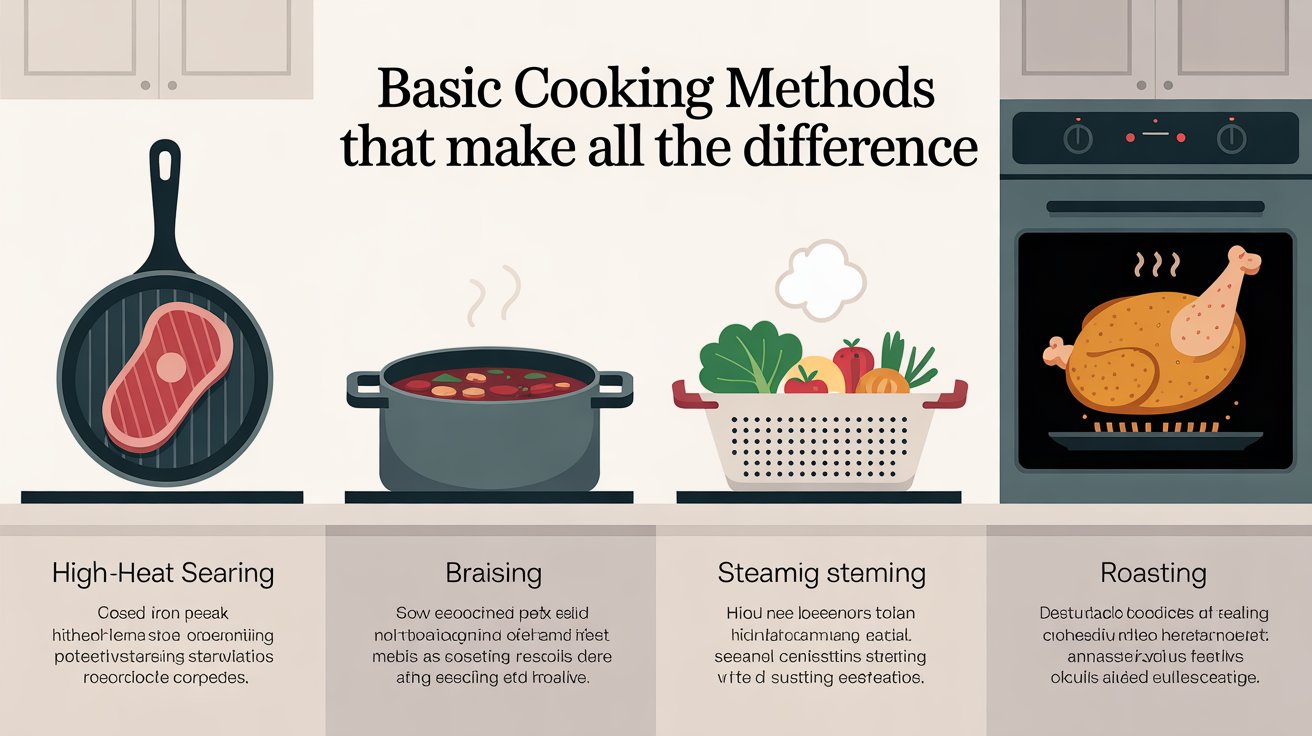
Cooking meat well is more about technique than complexity. Master a few methods, and you’re set.
Popular methods:
- Grilling: Adds smoky flavor and texture
- Pan-searing: Creates a crisp, golden crust
- Roasting: Perfect for larger cuts
- Slow cooking: Makes tough cuts tender
- Air frying: Quick and convenient
A good sear on a steak can transform it from ordinary to unforgettable.
Breakfast Ideas That Keep You Full
Starting your day with protein can feel like fueling up properly before a long journey.
Simple breakfast options:
- Scrambled eggs with butter
- Omelet with cheese and beef
- Fried eggs with crispy bacon
- Egg muffins with ground meat
Quick tip: Cook extra meat the night before and use it in the morning. It saves time and effort.
Lunch Recipes for Busy Days
Midday meals don’t have to be complicated. Keep it quick and satisfying.
Easy lunch ideas:
- Grilled chicken thighs
- Beef patties with melted cheese
- Tuna mixed with egg yolk
- Sliced steak leftovers
Think of lunch like a pit stop—you want something fast, filling, and energizing.
Dinner Dishes That Feel Indulgent

Dinner is where you can take your time and enjoy the cooking process.
Popular dinner meals:
- Ribeye steak with butter
- Roasted lamb chops
- Baked salmon with crispy skin
- Slow-cooked beef ribs
Pro tip: Let your meat rest after cooking. It keeps it juicy and flavorful.
Snacks That Actually Satisfy
Snacking doesn’t have to mean reaching for packaged foods.
Great snack options:
- Hard-boiled eggs
- Beef jerky
- Cheese slices
- Pork rinds
These snacks are simple but powerful—they keep hunger away without overeating.
Cooking on a Budget Without Compromising Quality
Eating this way doesn’t have to be expensive. It’s all about choosing wisely.
Budget-friendly tips:
- Buy in bulk
- Choose cheaper cuts like chuck or brisket
- Use ground meat for versatility
- Look for local deals
Sometimes the less expensive cuts taste even better when cooked slowly.
Meal Prep Made Easy
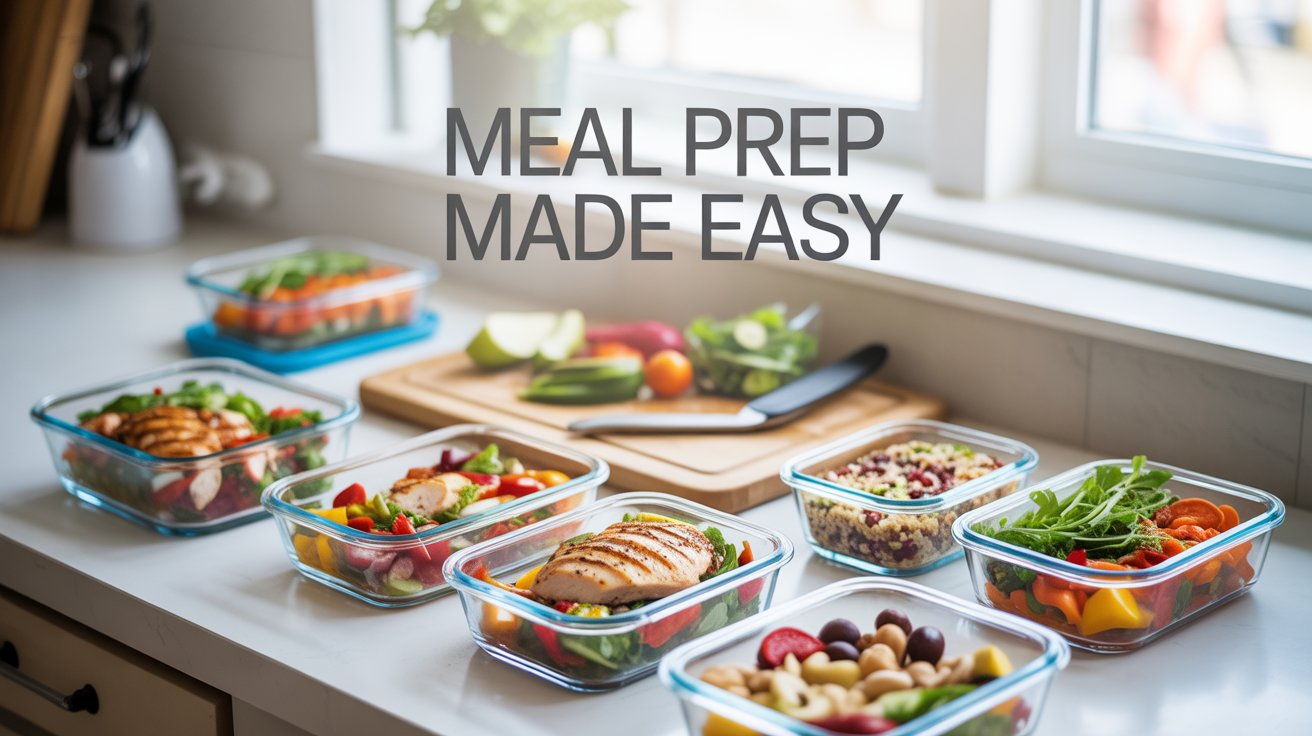
Meal prep becomes much simpler when you’re working with fewer ingredients.
How to prep efficiently:
- Cook large batches of meat
- Store portions in containers
- Reheat when needed
- Keep boiled eggs ready
It’s like setting up your future self for success—you’ll always have something ready to eat.
Common Mistakes to Avoid
Even simple approaches can have a learning curve.
Watch out for:
- Overcooking meat
- Not using enough fat
- Eating too little variety
- Skipping hydration
A little adjustment goes a long way in making meals enjoyable.
Making Meals More Enjoyable Without Extra Ingredients
You might wonder—how do you keep things interesting?
Ways to enhance meals:
- Experiment with cooking styles
- Use different cuts of meat
- Adjust cooking times for texture
- Pair foods creatively
A crispy edge, a juicy center, or a slow-cooked softness—these small differences create variety.
Is This Approach Sustainable Long-Term?
That depends on your lifestyle and preferences. Some people follow it strictly, while others adapt it to fit their needs.
Things to consider:
- Personal goals
- Nutritional balance
- Social flexibility
- Enjoyment of food
It’s not about perfection—it’s about finding what works for you.
FAQs
1. Can I follow this way of eating every day?
Yes, many people do, but it’s important to listen to your body and adjust based on your needs.
2. Do I need special cooking skills?
Not at all. Basic techniques like frying, grilling, and roasting are enough to get started.
3. Is it expensive to eat this way?
It can be, but choosing affordable cuts and buying in bulk helps keep costs down.
4. What can I drink alongside these meals?
Water is the most common choice, but some people also include bone broth or dairy-based drinks.
5. How do I avoid getting bored with meals?
Switch up cooking methods, try different cuts, and focus on texture and doneness to keep things interesting.
Conclusion
Carnivore-style cooking is proof that simple doesn’t have to mean boring. With just a handful of ingredients and a few solid techniques, you can create meals that are deeply satisfying and easy to prepare. It’s like going back to basics—but in a way that feels modern, practical, and surprisingly enjoyable.
If you’re tired of complicated recipes and long grocery lists, this approach might be exactly what you need. Give it a try, experiment a little, and see how it fits into your routine.