
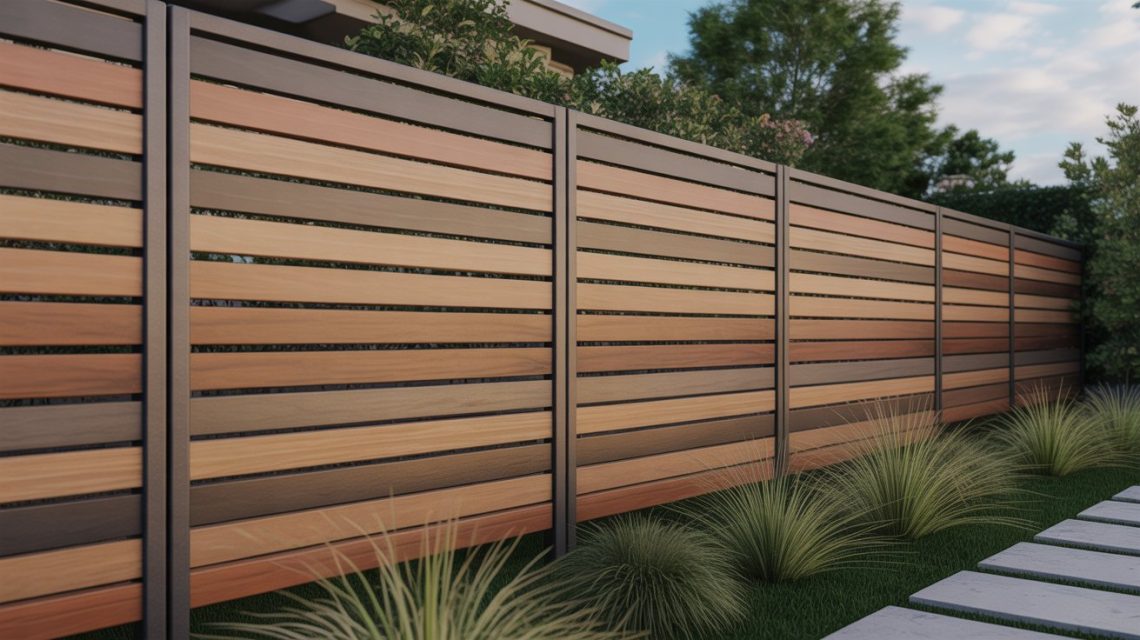
Imagine your backyard as a blank canvas. Now picture clean, sleek lines stretching across it, creating a sense of order and calm—almost like the horizon at sunset. That’s the quiet power of a modern horizontal fence. It’s not just about marking boundaries anymore; it’s about making a design statement that feels fresh, functional, and surprisingly personal.
In this guide, we’ll walk through everything you need to know—from materials and design ideas to installation tips and maintenance—so you can decide if this contemporary style is the right fit for your space.
Table of Contents
ToggleWhat Makes Horizontal Fencing So Appealing?
At first glance, it might seem like a simple flip of traditional vertical boards. But that subtle shift changes everything.
Horizontal lines create an illusion of space. Your yard feels wider, more open, and visually balanced. It’s the same trick interior designers use with striped walls—only now it’s working outdoors.
Beyond looks, this style offers a modern aesthetic that pairs beautifully with contemporary homes, minimalist landscapes, and even rustic settings when done thoughtfully.
The Key Benefits You’ll Notice Right Away
A Clean, Contemporary Look
The straight, parallel lines give your property a polished appearance. It’s neat without feeling stiff, stylish without trying too hard.
Enhanced Privacy
When boards are installed close together—or even overlapping—you get excellent coverage. No awkward gaps, no unwanted views.
Customizable Design
You’re not locked into one look. You can adjust spacing, board width, color, and finish to match your personal taste.
Durability with the Right Materials
With proper installation and material choice, these fences can last for years while maintaining their visual appeal.
Choosing the Right Materials
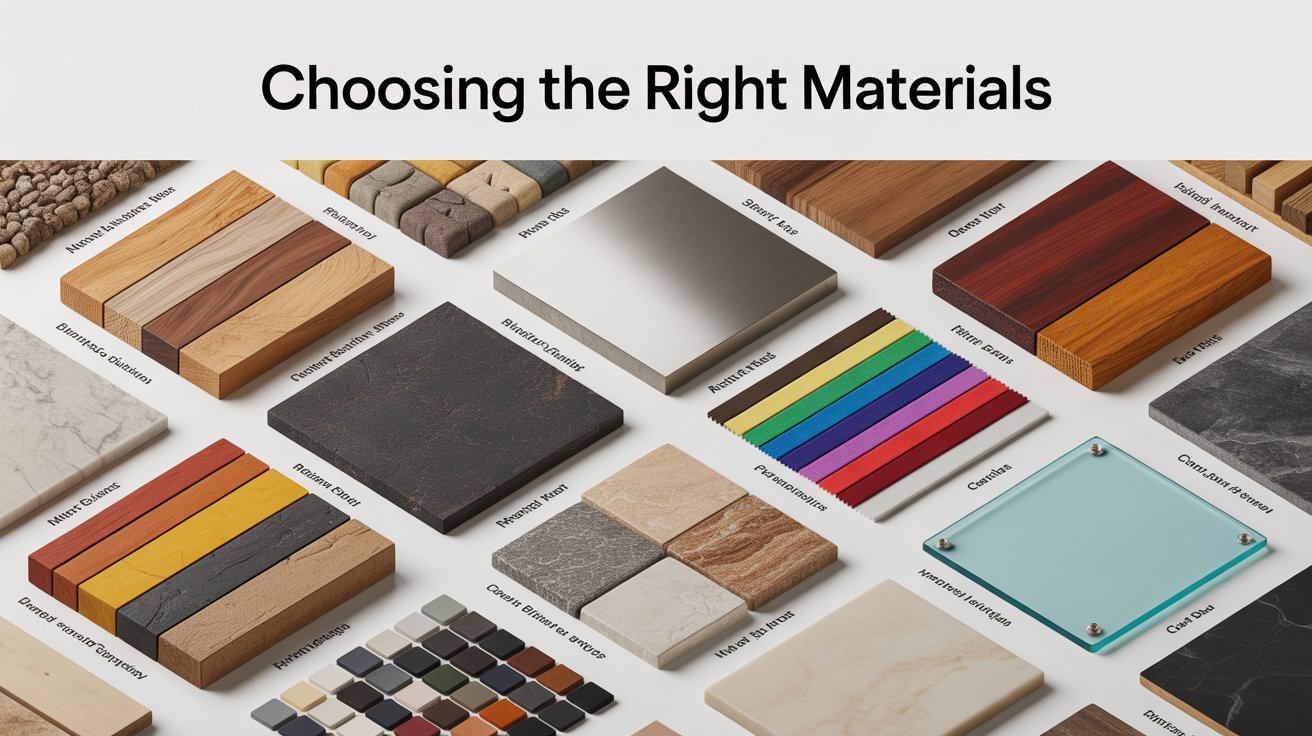
Picking the right material is like choosing the foundation of a house—it determines how everything else performs.
Wood: Natural and Timeless
Wood remains a favorite for a reason. Cedar and redwood are especially popular due to their resistance to rot and insects.
- Warm, organic feel
- Easy to customize
- Requires regular maintenance
Composite: Low Maintenance Option
Made from recycled materials, composite boards mimic wood without the upkeep.
- Resistant to weather and fading
- Long-lasting
- Slightly higher upfront cost
Metal: Sleek and Industrial
Aluminum or steel adds a bold, modern edge.
- Extremely durable
- Minimal maintenance
- Works well in urban designs
Vinyl: Practical and Affordable
Vinyl fencing offers a hassle-free solution thanks to its lightweight build and straightforward installation process.
- Budget-friendly
- Low upkeep
- Limited in texture compared to wood
Design Variations to Consider
Not all horizontal fences look the same. In fact, small design tweaks can completely change the vibe.
Full Privacy Style
Boards are placed tightly together for maximum coverage. Ideal if you value seclusion.
Open Slat Design
Evenly spaced gaps allow light and air to pass through. Perfect for a breezy, modern feel.
Mixed Material Look
Combine wood with metal frames or stone pillars for added contrast and character.
Shadow Box Layout
Boards are alternated on both sides of the fence, creating depth and visual interest.
Planning Your Fence Layout
Before you grab tools or hire a contractor, take a step back and plan.
Measure Your Space
Know your property boundaries. This avoids future disputes and ensures proper alignment.
Check Local Regulations
Some areas have rules about fence height, placement, or materials. It’s worth checking beforehand.
Think About Purpose
Are you aiming for privacy, security, or purely aesthetics? Your goal will shape your design choices.
Installation Basics: What to Expect
Installing a horizontal fence requires precision. Unlike vertical boards, even slight misalignment is noticeable.
Post Placement Matters
Posts must be sturdy and evenly spaced. They’re the backbone of your structure.
Leveling is Crucial
Each board needs to be perfectly level. One uneven line can throw off the entire look.
Spacing Consistency
If you’re going with gaps, keep them uniform throughout for a clean finish.
You can go the DIY route if you’re handy, but many homeowners prefer hiring professionals for a flawless result.
Maintenance Tips to Keep It Looking New
A well-maintained fence doesn’t just last longer—it continues to impress.
Regular Cleaning
Over time, layers of dust, grime, and mildew can quietly accumulate, dulling the fence’s clean appearance. A simple wash keeps things fresh.
Sealing and Staining
For wood fences, apply sealant or stain every couple of years to protect against weather damage.
Inspect for Damage
Check for loose boards, rust (if metal), or cracks. Fixing small issues early prevents bigger problems later.
Cost Considerations
Let’s talk numbers—because style shouldn’t come as a surprise expense.
Material Costs
Wood tends to be mid-range, while composite and metal can be more expensive upfront.
Labor Costs
Professional installation adds to the budget but ensures quality.
Long-Term Value
Low-maintenance materials may cost more initially but save money over time.
Environmental Impact and Sustainability
If you’re eco-conscious, your fence choice can reflect that.
- Opt for sustainably sourced wood
- Consider recycled composite materials
- Use non-toxic finishes
Small decisions here can reduce your environmental footprint without compromising style.
Common Mistakes to Avoid
Even a great idea can go sideways without proper execution.
Ignoring Wood Expansion
Wood naturally expands and contracts. Without proper spacing, boards can warp.
Using Weak Support Structures
Horizontal designs put more strain on posts. Make sure they’re strong enough.
Inconsistent Alignment
This style leaves no room for sloppy work. Precision is everything.
Styling Your Fence for Maximum Impact
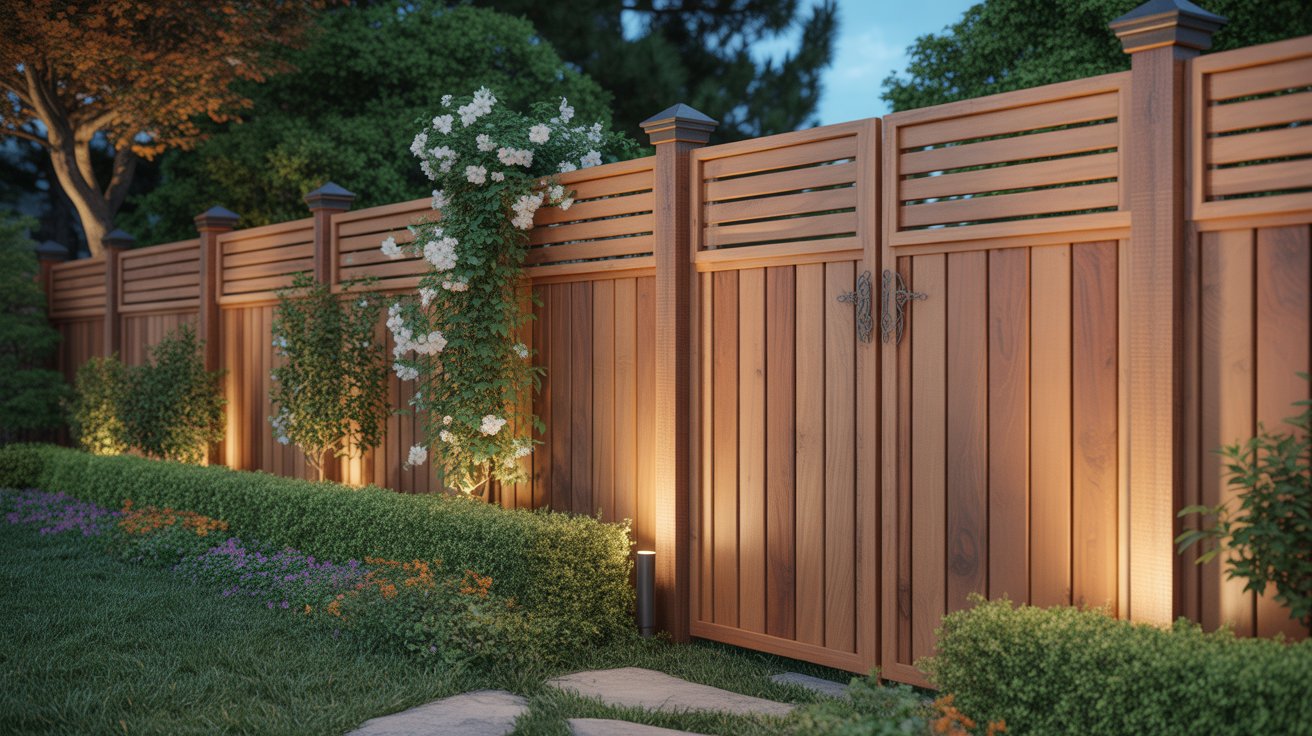
Your fence doesn’t have to stand alone—it can become part of a larger design story.
Add Lighting
Install subtle LED lights for a warm, inviting glow at night.
Incorporate Greenery
Climbing plants or vertical gardens soften the look and add life.
Play with Color
Dark stains create a bold, modern feel, while lighter tones feel relaxed and natural.
Is This Style Right for You?
Ask yourself a few simple questions:
- Do you prefer clean, modern aesthetics?
- Are you willing to invest in proper installation?
- Do you value both function and visual appeal?
If you answered yes, then this fencing style might be exactly what your space needs.
FAQs
1. How long does a horizontal fence typically last?
With proper materials and maintenance, it can last anywhere from 10 to 25 years, depending on environmental conditions and upkeep.
2. Is this fencing style more expensive than traditional options?
It can be slightly more costly due to installation precision and material choices, but the visual appeal often justifies the investment.
3. Can I install it myself, or should I hire a professional?
If you have experience with construction and leveling, DIY is possible. However, professionals ensure a cleaner, more precise finish.
4. Does horizontal fencing work for small yards?
Yes, it actually enhances the perception of space, making smaller areas feel wider and more open.
5. What’s the best material for low maintenance?
Composite and metal are excellent choices if you want durability with minimal upkeep.
Conclusion
A modern horizontal fence is more than just a boundary—it’s a design choice that reshapes how your outdoor space feels and functions. With its sleek lines, versatile materials, and customizable options, it offers a perfect blend of beauty and practicality.
Think of it as the frame around your outdoor picture. When done right, it doesn’t just enclose your space—it elevates it. Whether you’re aiming for privacy, style, or a bit of both, this approach brings a fresh perspective that stands the test of time.


